Entropy, Proof of Work, and Bitcoin’s Decentralization
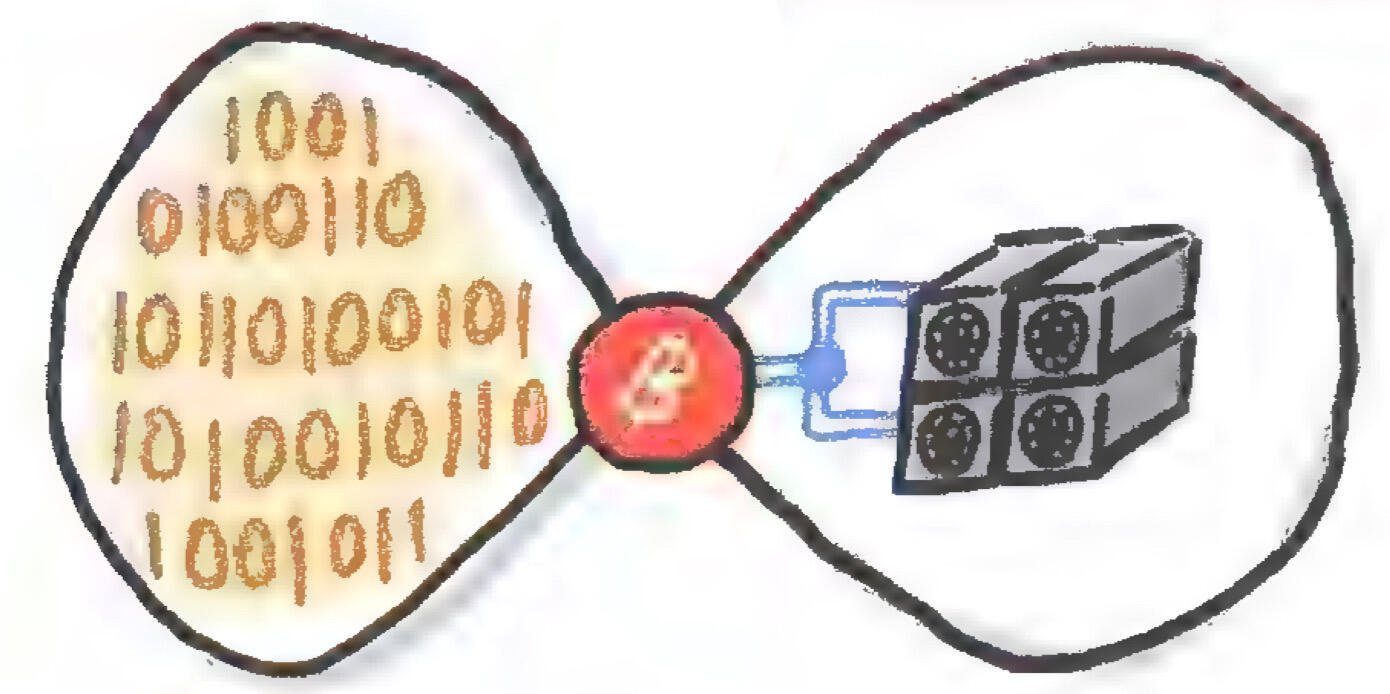
This article explores the concept of entropy within the context of Bitcoin’s decentralized system, focusing on the role of Proof of Work (PoW) in managing and reducing entropy. Entropy, a measure of uncertainty and disorder, is examined from both an information-theoretic and thermodynamic perspective. Information entropy, introduced by Claude Shannon, quantifies the unpredictability in the state of Bitcoin's blockchain. In Bitcoin, PoW serves as a mechanism to reduce this entropy by transforming physical computational effort into a structured and ordered blockchain. This process imposes a cost on adding new blocks, thereby providing a clear and agreed-upon ledger state. By contrast, Proof of Stake (PoS), which does not involve physical energy expenditure, is less effective in managing entropy and maintaining decentralization. The article also draws parallels between thermodynamic entropy and the entropy dynamics in Bitcoin, illustrating how physical energy used in PoW aligns with concepts of order and disorder in thermodynamics. Ultimately, Bitcoin’s use of PoW ensures its true decentralization by managing entropy effectively, while the limitations of PoS highlight the unique role of physical work in sustaining decentralized systems.