‘The guards didn’t like people cooking frogs’: A Russian woman tells Meduza about the year and a half she spent in U.S. immigration jail
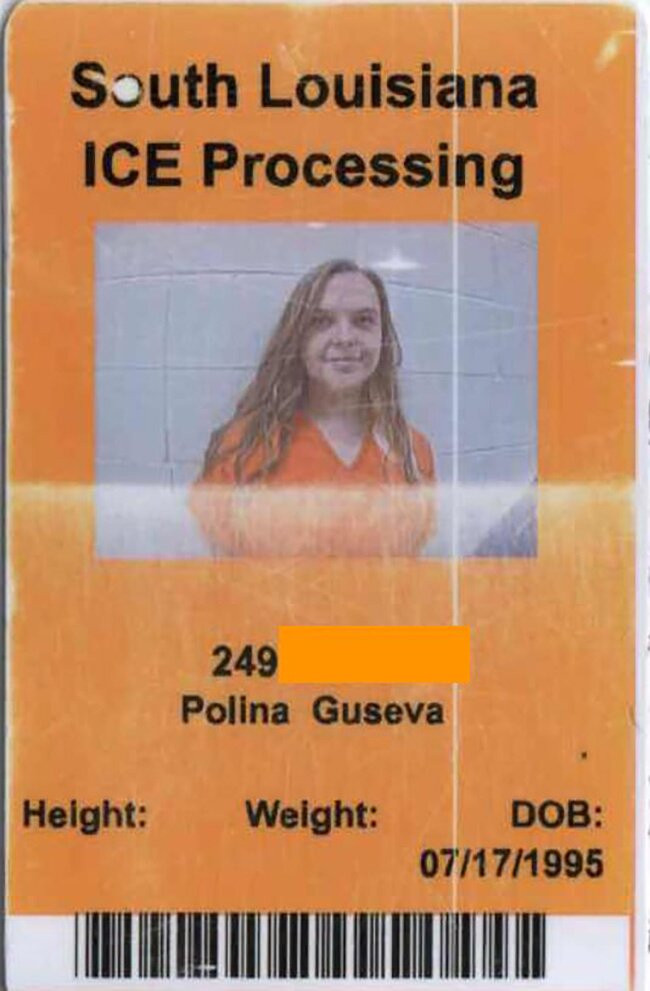
‘The guards didn’t like people cooking frogs’: A Russian woman tells Meduza about the year and a half she spent in U.S. immigration jail A Russian national details her escape from political persecution in Russia, her challenging journey through the U.S. immigration system via Mexico, and her subsequent 15-month detention in U.S. facilities. She describes the stark differences in conditions between detention centers in California and Louisiana, highlighting issues of overcrowding, poor sanitation, discrimination, and inadequate legal access. Despite the hardships, she initiated a handwritten newspaper, ‘Vestnik Yebatoria,’ to foster community and share information among detainees, and maintained a Telegram channel to inform others about detention life.
- Russians faced a record number of asylum denials in the U.S. between October 2024 and September 2025.
- The Trump administration suspended immigrant visas for Russians on January 14, 2026.
- Polina Guseva, a Russian national, spent 1.5 years in U.S. detention centers after fleeing political persecution in Russia.
- Guseva left Russia due to her political activism, including participation in protests and volunteering for Navalny’s campaign, which led to surveillance and fear of arrest.
- She chose to enter the U.S. via Mexico due to visa limitations and perceived simpler entry through the CBP One app.
- After a nine-month wait in Mexico, Guseva was detained upon crossing the border, contrary to initial expectations.
- Conditions in the Otay Mesa (California) detention center were described as manageable, while the South Louisiana ICE Processing Center presented harsher conditions, including rough guards and discrimination.
- Communication from detention was expensive and limited, with poor phone connections and costly video calls and messaging services.
- Guseva initiated a handwritten newspaper, ‘Vestnik Yebatoria’ (The Fuckatorium Herald), in the Louisiana detention center to share information and news among inmates.
- She also maintained a Telegram channel, providing updates on detention life to family and friends, which gained traction among other detainees’ families.
- Guseva faced significant legal costs for her asylum case, involving multiple lawyers and appeals.
- She was eventually granted political asylum on May 14, 2025, but was not released until September 8, 2025, after the prosecutor’s appeal was dismissed.
- Guseva reflects that her time in detention felt stolen, impacting her ability to move forward with her life.
Write a comment