Don't Should On Yourself
- The Lists We Make
- The Timeline Trap
- The Weight of “Should”
- The “Ought” vs. The “Is”
- Reframing the “Problem”
- Stop Shouldin’, Start Choosin’
“Should” is a word that comes with expectation. It requires a bit of forward-thinking and can lead to a misalignment of expectations and outcomes. This particular situation often causes disappointment. Unchecked disappointment leads to depression. And I know too well what depression can lead to.
The Lists We Make
So many times, we create a list of expectations for all parts of our lives. We make lists for our perfect mate. We have lists for the occupation we choose. We set expectations for our children and friends. And when they fail to meet them, we grow angry and sometimes grow apart.
But one of the most detrimental lists we make is the one of internal rules we tell ourselves—rules that are highly improbable.
It’s one thing to believe that one day you’ll be a millionaire, but it’s probably not going to come from picking six numbers at your local gas station.
You believe you are going to find your husband this upcoming weekend, but you know you haven’t been outside your house in 52 weekends. The only way you are going to find a man on the weekend is if he breaks in to steal your 12 cats.
The Timeline Trap
These lists are long and well thought out:
You should be married by 29.
You should have 2.5 kids and a Labradoodle named “Spark.”
You should be making $100k and working remotely from a beach in Singapore.
You should be 220 pounds with 10% body fat, just because your grandfather never gains weight.
I should have all of this by 30.
The thing is, many of the items on the above lists are great and aspirational. The problem is you put a time on it. As if you can control time. As if you can control outcomes.
Yes, you can have all of these things by 30, and lose them all by 35. And on the flip side, you can have them all and live to be 120 years old.
The issue is that you have no say over outcomes that take time. There are too many variables. There are too many possible outcomes based on the environment around you, and the fact is, you don’t fully control many of those outcomes.
The Weight of “Should”
“Should” is a robber of self-acceptance and gratitude. “Should” is an unnecessary weight. It’s rigid; it says “if I don’t, then I’m not enough.” Which is not true. It makes it seem as if the outcome is more valuable than the process.
“Should” makes demands that remove hope. “Should” shackles you to your own expectations and the expectations of others. It sometimes forces you to take action that may require more time than you have. “Should” removes patience and places anxiety in its stead.
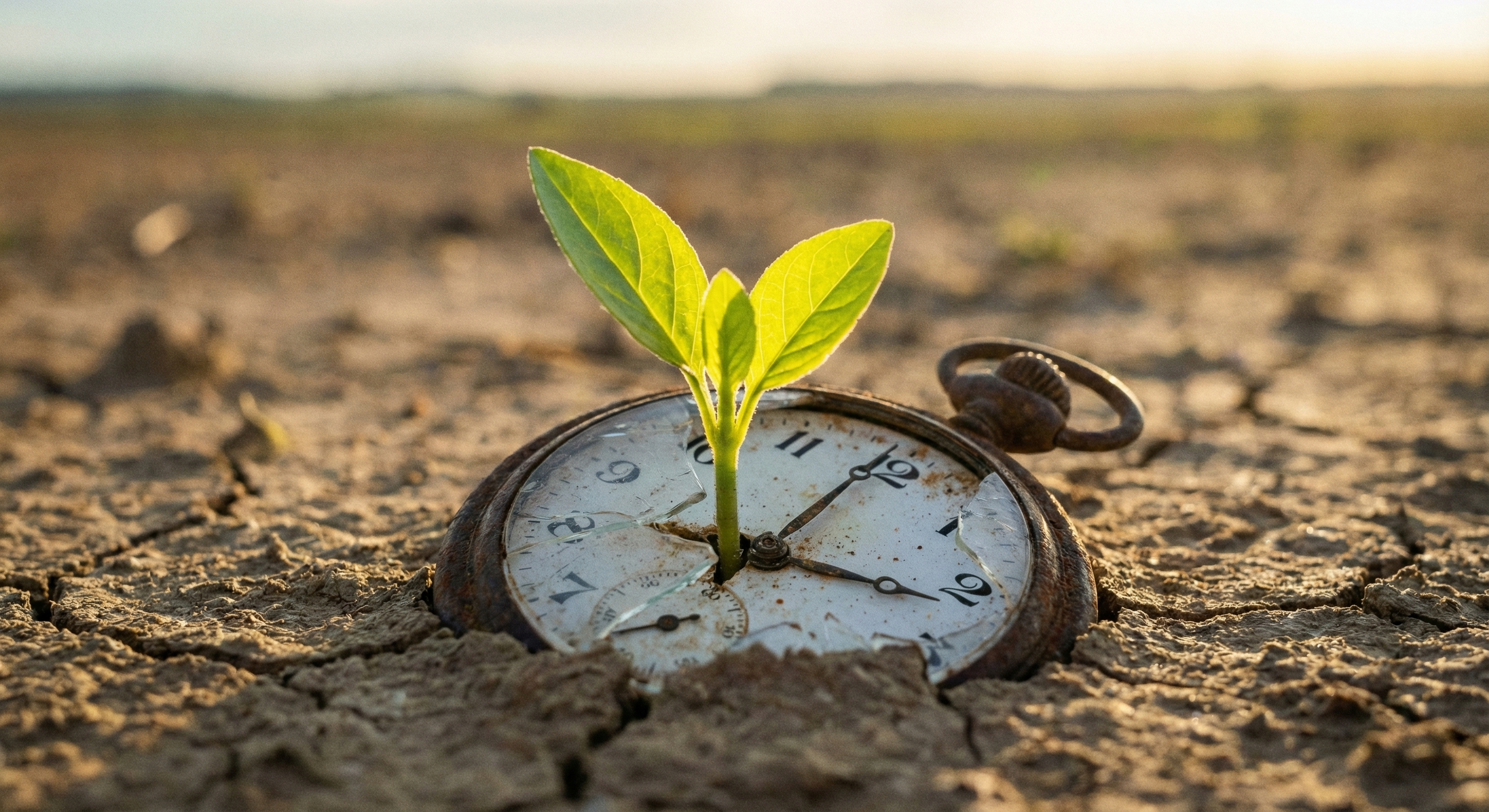
Imagine trying to force a seed to grow into a blossoming plant faster than it’s supposed to, all because you think it should be producing fruit already. You may try to add more fertilizer to it, but you risk the plant burning up from nitrogen. You may try to pull it up toward the sun faster, but you risk weakening the root structure.
The “Ought” vs. The “Is”
Many times we find ourselves living in the “ought” instead of the “is.”
Think about that for a moment. We’re so busy dwelling in what ought to be that we miss what actually is.
It blinds us from seeing opportunities and from recognizing the good in where we are. We wallow in our own feelings of worthlessness. We begin to compare and contrast our lives with others. We ask questions like, “Man, he has a dope house. How old is he again?” Then we use that to gauge where we are in life. We go on to say, “I’m 39 and he has all that at 25? What did I do wrong? I should be doing more.”
But here’s the thing—you never know the full story. What you fail to realize is that maybe he stole his dementia-laden grandfather’s checkbook and drained his entire inheritance early.
“Should” will have us step away from our purpose because we feel like we should have what someone else has.
Reframing the “Problem”
The problems we pray about aren’t always problems per se; they are results of our own lofty expectations. They are, many times, us not wanting to accept delayed outcomes—and that requires patience.
It’s not a problem that you have to ride the bus to work every day. You feel like you should have a car because it would give you so much more of your time back. But you aren’t thinking about the amount of “still time” you have from riding a bus without having to deal with traffic. You have a phone and a dedicated 45-minute transit every day to add tech skills, read, or even take a quick nap. You may save 20 minutes on your commute every day in a car, but riding the bus saves you a ton of money and preserves your peace.
“Should” made you focus on what you didn’t have, without realizing you had everything you needed, plus some.
Stop Shouldin’, Start Choosin’
So man, you gotta stop Shouldin’ on yourself. It stinks. Expectations are the thief of joy.
Instead of shouldin’, start choosin’. Shouldin’ is about what you need to do in the future; instead of thinking about the future, choose what needs to be done today.
Watch this:
I should work out.
I choose to work out.
See how that’s different? The first one comes with guilt over something you aren’t doing; the second is about empowerment and action.
“Should” is like a debt that needs to be paid. “Choose” is something you own.
Choice is about now. It’s about taking charge of the present and executing. Choice puts a battery in your back. “Should”? It just weighs you down.
Choice doesn’t have expectations; it’s open-ended. You just do, and leave the rest up to God.
“I planted, Apollos watered, but God gave the increase. So then neither he who plants is anything, nor he who waters, but God who gives the increase.”
— 1 Corinthians 3:6-7
Write a comment