Colombia no importará gas de Venezuela a través de Ecopetrol por falta de licencia de EE.UU.
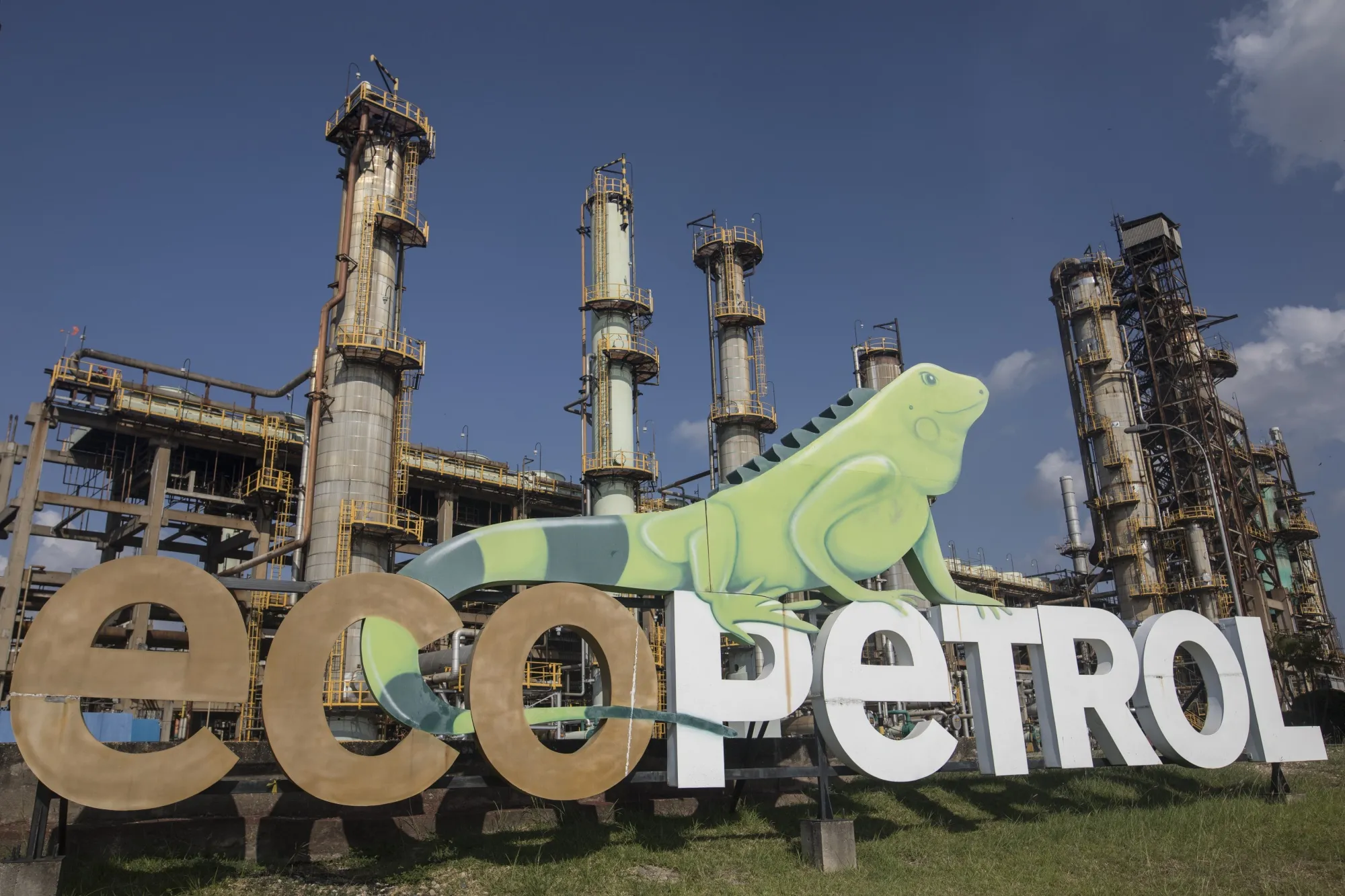
Colombia no importará gas de Venezuela a través de Ecopetrol por falta de licencia de EE.UU. Opposition Opposition coverage portrays the halt in Ecopetrol’s Venezuelan gas imports as a foreseeable failure rooted in poor planning, overreliance on a sanctioned and unstable partner, and neglect of more sustainable domestic or diversified supply options. These outlets stress the absence of a U.S. license and the costly, delayed pipeline upgrades as evidence that the government’s energy strategy is improvised and risky. @htcq…4692 @dgj2…hzme Colombian media across the spectrum report that the Petro government, through Mines and Energy Minister Edwin Palma, has announced that Ecopetrol will not proceed “for now” with the plan to import natural gas from Venezuela. All sides agree that the key obstacle is the lack of an explicit license from the United States Treasury Department, required because of sanctions on the Venezuelan energy sector, and that without this authorization Ecopetrol cannot directly participate in the operation. Coverage concurs that the initial idea was to use existing cross-border infrastructure, particularly the Antonio Ricaurte pipeline, to bring Venezuelan gas to Colombia in order to bolster domestic supply of natural gas and LPG at lower cost.
There is also broad agreement that the Antonio Ricaurte pipeline faces technical and financial challenges before it can be used at scale, including an estimated investment on the order of 60 million dollars and a timeline of more than six months for necessary works. Both camps describe the government’s stated objective as securing gas for the Colombian market in a rapid and economical way, with officials emphasizing a “practical” and “pragmatic” approach under current constraints. In this shared framing, the government is now exploring alternatives such as using private intermediaries, other commercial routes, or different suppliers, while maintaining the broader policy goal of guaranteeing energy supply and navigating the limits imposed by international sanctions and existing infrastructure.
Points of Contention
Responsibility and blame. Opposition-aligned sources highlight the lack of a U.S. license as evidence of poor planning and naïveté in Petro’s bet on Venezuelan gas, implicitly blaming the government for advancing a flagship idea without securing key permits. Government-aligned narratives instead tend to frame the license issue as an external constraint tied to Washington’s sanctions architecture, suggesting that Colombia is a rule-abiding actor caught between energy needs and geopolitical pressures. While the Opposition stresses that authorities should have anticipated these hurdles and lined up alternatives earlier, pro-government coverage tends to emphasize the government’s hands being tied and its duty to comply with international norms.
Energy strategy and competence. Opposition coverage often uses the setback to criticize the broader energy policy, portraying the stalled import plan as another sign of improvisation and of an overreliance on Venezuela rather than on domestic exploration and diversified sourcing. Government-aligned outlets are more likely to present the decision as an example of responsible adjustment, arguing that pausing Ecopetrol’s role shows prudence, legal rigor, and flexibility in a changing international context. The former frame the episode as undermining investor confidence and energy security, while the latter accentuate the continuity of supply planning and the search for pragmatic solutions.
Use of Ecopetrol versus private intermediaries. Opposition-aligned media tend to question shifting from a state-led scheme via Ecopetrol to possible private intermediaries, warning of opacity risks, higher transaction costs, and potential capture by politically connected firms. Government-aligned narratives, by contrast, present the use of intermediaries or alternative routes as a normal market response to sanctions constraints and as part of the “practical and pragmatic” toolkit the ministry has invoked. Critics say this change undercuts Ecopetrol’s strategic role and could weaken public oversight, while supporters argue it keeps Colombia supplied without exposing the state company to sanctions-related complications.
Relationship with Venezuela. Opposition sources frequently use the impasse to question the wisdom of deepening energy ties with Caracas, arguing that dependence on a sanctioned and politically unstable partner makes Colombia vulnerable and limits policy autonomy. Government-aligned voices are more inclined to portray engagement with Venezuela as a realistic recognition of geographic and resource complementarities, insisting that technical and legal hurdles do not negate the long-term logic of cross-border energy integration. Thus, the Opposition frames the episode as a cautionary tale about politicized foreign alignments, while pro-government coverage tends to see it as a temporary setback in a broader, rational cooperation agenda.
In summary, Opposition coverage tends to present the blocked Ecopetrol imports as a foreseeable consequence of flawed planning, risky dependence on Venezuela, and an inconsistent energy strategy, while Government-aligned coverage tends to emphasize external sanctions constraints, the government’s pragmatic recalibration toward alternative mechanisms, and the longer-term rationale for maintaining and adapting energy coordination with Caracas.
Story coverage
Write a comment