IVSS to Pay March Pensions on Friday, February 20
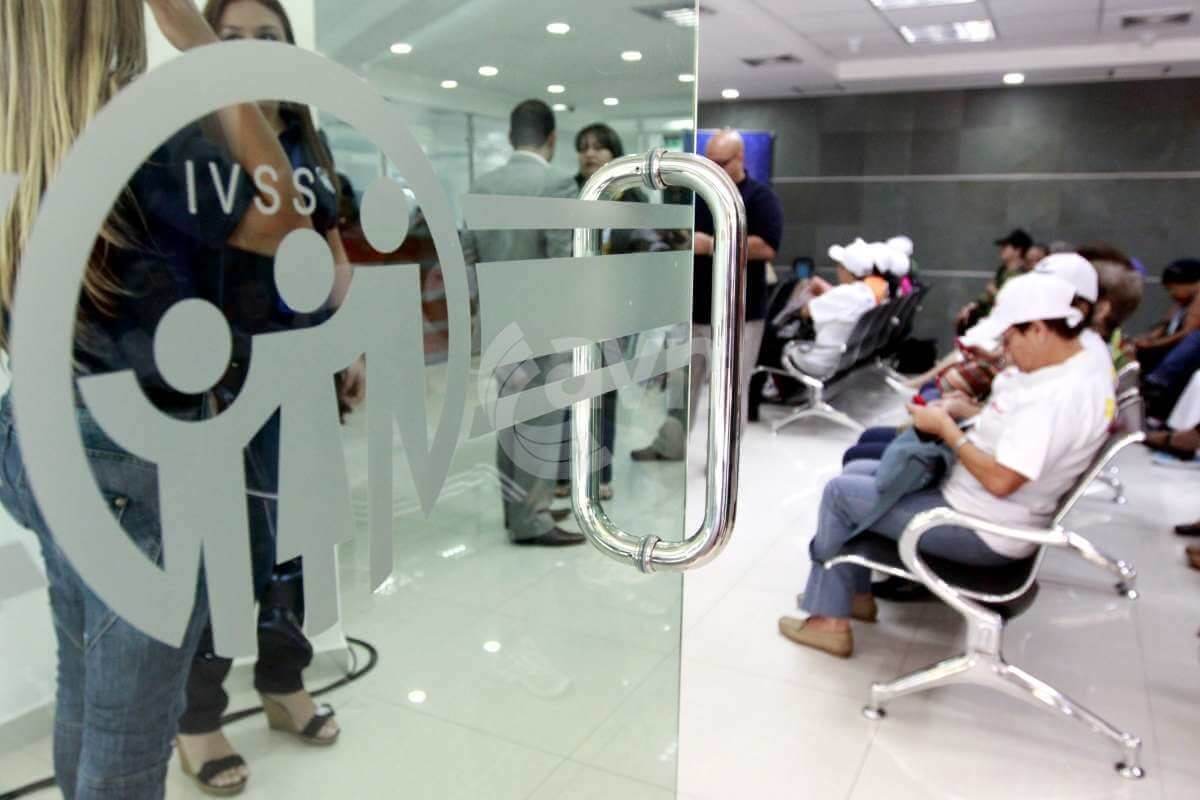
IVSS to Pay March Pensions on Friday, February 20 Opposition Opposition outlets report that IVSS will pay the March pension of 130 bolívares on Friday, February 20, stressing that the amount remains frozen at the minimum wage and is far below basic living costs. They point to the expected “Contra la Guerra Económica” bonus and reliance on digital banking as stopgaps that reveal the underlying inadequacy and precariousness of the pension system. @dgj2…hzme
Government-aligned Government-aligned media announce that IVSS will deposit March pensions on Friday, February 20 and emphasize that the 130-bolívar payment will be made promptly and securely through electronic channels. They frame the measure, along with complementary bonuses and the push for online banking, as evidence of the state’s ongoing commitment to protect and modernize services for pensioners. @5j8p…pah0 The Venezuelan Social Security Institute (IVSS) will deposit the March pension on Friday, February 20, 2026, according to both opposition and government-aligned outlets. They agree that the payment corresponds to the regular IVSS pension, that the official announced amount is 130 bolívares, and that this figure remains tied to the current national minimum wage. Both sides report that beneficiaries are being urged to use electronic banking and online account checks to access funds and that the date, amount, and institutional responsibility (IVSS) are clearly defined and undisputed.
Coverage from both camps also situates the announcement within the broader social security framework of Venezuela, where IVSS administers old-age and disability pensions under central government oversight. There is agreement that the payment is part of a recurring monthly pension cycle and that the government has complemented IVSS pensions in recent periods with additional transfers such as the “Contra la Guerra Económica” bonus for pensioners. Both perspectives present digital banking and use of debit cards, transfers, and other electronic channels as the standardized mechanism for pension access, and they acknowledge the recurring concern about avoiding long queues and crowding at bank branches.
Points of Contention
Framing of sufficiency and impact. Opposition outlets highlight that the pension amount of 130 bolívares is unchanged and implicitly insufficient when compared with living costs, often linking it to wider economic hardship and loss of purchasing power. Government-aligned media, by contrast, present the same amount as a guaranteed and timely benefit, emphasizing continuity and reliability rather than debating its real value. While opposition coverage tends to frame the payment as symbolic or inadequate, official-aligned stories stress that it is part of a broader social protection effort without foregrounding its limitations.
Role of complementary bonuses. Opposition sources mention the anticipated activation of the “Contra la Guerra Económica” bonus but frame it as an ad hoc or compensatory measure that underscores how low the base pension remains. Government-aligned outlets either reference such bonuses as part of a comprehensive social policy or focus primarily on the pension deposit itself, portraying add-on payments as evidence of ongoing state support. In effect, the opposition uses the bonus to question the structural sufficiency of the pension system, while pro-government media use it to reinforce the image of a caring and responsive state.
Portrayal of the IVSS and the state. Opposition coverage treats IVSS largely as an administrative arm of a government that has failed to index pensions adequately, subtly linking the announcement to chronic underfunding and broader economic mismanagement. Government-aligned outlets explicitly underscore IVSS’s “commitment” to pensioners, describing it as an institution that guarantees well-being, efficiency, and continuity of payments. As a result, the same announcement becomes, in opposition media, a reminder of systemic crisis, while in government-aligned media it is framed as proof of institutional reliability.
Emphasis on logistics and public order. Opposition outlets mention the recommendation to use electronic banking mainly as a procedural note, sometimes hinting that it reflects persistent problems with bank queues and cash access. Government-aligned sources dwell more on these logistical aspects, encouraging online verification, debit card use, and digital channels as signs of modernization and care for pensioners’ safety and comfort. Thus, the opposition tends to see these measures as coping mechanisms in a strained system, whereas state-aligned coverage presents them as positive administrative improvements.
In summary, Opposition coverage tends to treat the IVSS payment date as a reminder of inadequate pensions and structural economic fragility, while Government-aligned coverage tends to showcase the same payment as evidence of institutional commitment, continuity, and effective social protection. Story coverage
Write a comment