Collective Action Against Big Tech

my mother’s enthusiasm for a recent interview with Clara Mattei on the artificiality of capitalism was a much-needed counterbalance to the stress of a crippling car repair. stranded at home, i’ve had time to take a big step in reclaiming my digital sovereignty from the tech oligarchs; i finally got rid of the lingering stock windows 10 installation on my laptop. after dualbooting with ubuntu for the last couple of years, i felt courageous enough to install arch linux, one of last-standing noncorporate bastions of personal computing freedom. it’s one the most popular independent and community-run linux distributions available that is used in everything from the steamdeck to nasa laboratories. though it was convenient to have a windows install for some technical projects that i couldn’t work on with ubuntu, the combination of windows 11’s release, hearing bill gates name in the media coverage around the epstein files, and Matei’s reminder of his position as one of the 12 wealthiest humans on the planet pushed me to finally cut the cord. https://myvoiceourstory.org/6e4dfc7923fc0ab352d2b02b45999d010b814efa893ed3f578a2d57ebb7100f5.jpg
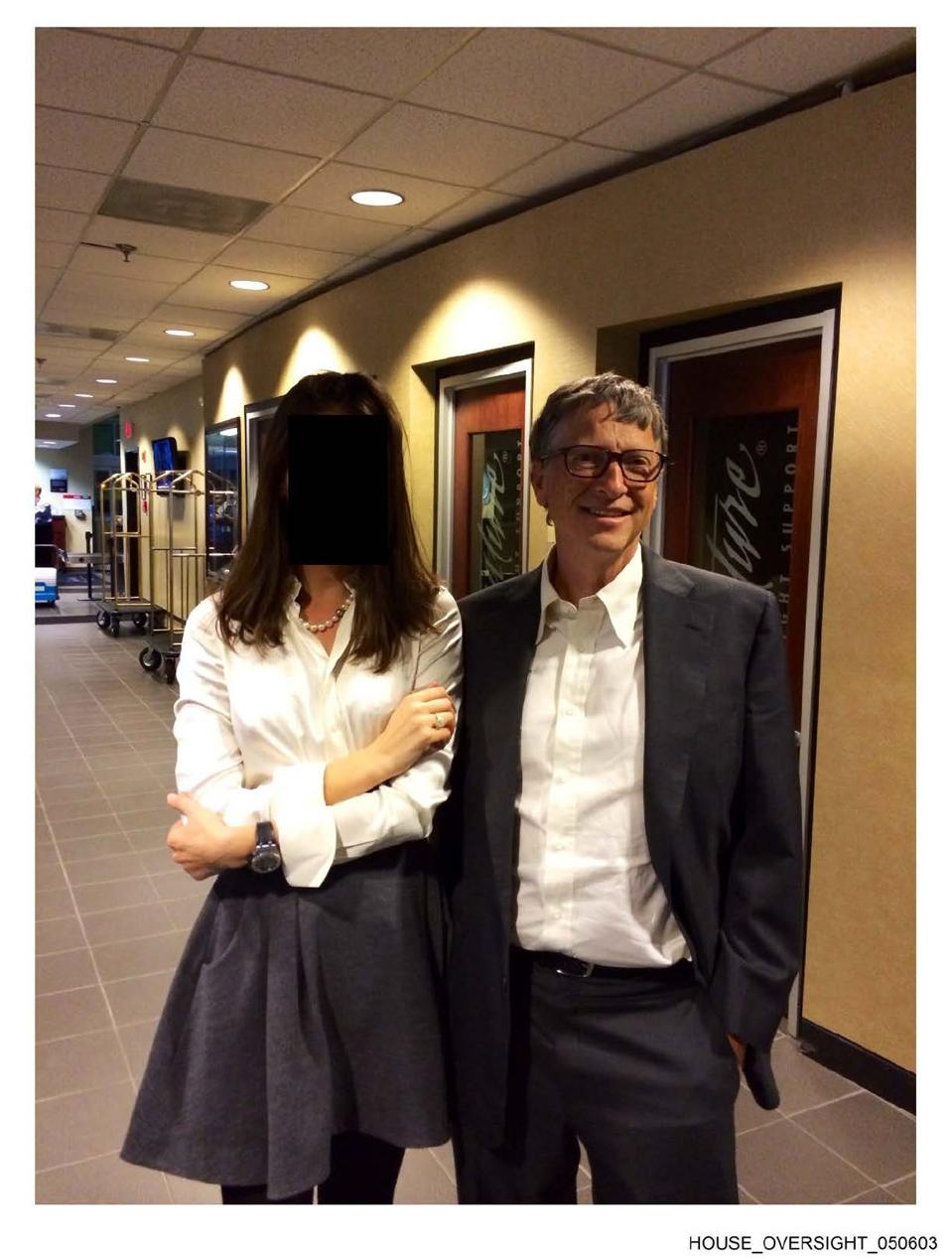
gates is one of the 8 men in this elite circle that are founders/CEOs of u.s.-based tech corporations that are deeply embedded into the state and global communication apparatus and include the likes of zuckerberg, musk, and bezos. the wealth of their corporations define the new gilded age we find ourselves, eclipsing even the monopolies of standard oil, the british east india company, and the entire GDPs of many countries. every individual swipe, tap, click, and scroll on their platforms generates more capital for them and cements a technostructure that manipulates the behavior of the masses and enables grotesque forms of oppression across the world. the process for installing arch linux is among the best technical documentation i’ve ever read, so i was able to complete the bulk of it over a weekend. after i move the remaining files from ubuntu to arch, i’ll wipe the part of my laptop ubuntu was installed on and use it for file storage. this is my small act of digital rebellion; boycotting big tech, halting their data extraction, and embracing software built by the people, for the people. while it won’t dismantle capitalism overnight, it’s another step since deleting most of my corporate social media accounts and one that i wish more of my peers and popular content creators would take seriously as a measure to reel back the power of big tech. one corporate social media account that i’ve had trouble getting rid of, however, is discord.
discord launched in 2015 as an alternative to voice/text chat platforms like skype and teamspeak for gamers. back then, it was a free, easy to use medium of communication for a niche audience, but its pivot in 2017 to community engagement with patreon integration and moderation tools provided youtubers with mediums like persistent, organized chats (threads, voice rooms, and pinned messages) to cultivate their bases. pandemic shelter in place orders fueled discord’s rapid accession to what it is today, an important monetization tool for creators looking to push the conversation forward on our biggest collective threats (like capitalism and authoritarianism). as part of my subscriptions to a few of my favorite content creators’ patreons, i get access to a community discord server (spoiler alert, these are not actually servers) where i’m able to connect with other like-minded individuals, which is why it’s been impossible to get rid of. its the ultimate collective action problem: our reliance on big tech to communicate ideas that elevate collective consciousness is also the source of all their wealth. don’t get me wrong, i’ve met dope friends in these spaces and attribute a lot of my personal growth and understanding of the world through content from creators like Andrewism, OneDime Radio, Second Thought, and Z Network. as much as i detest big tech, these digital spaces have added much value to my life. still, i’m tech-savvy enough to credit this value-add not to discord as a platform but the countless hours of unpaid labor by the open source community, specifically on protocols like webrtc and websocket, 2 of the core technologies discord is built on but DOESN’T contribute back to. discord’s recent push for identity verification - combined with a rumored initial public offering next month with a current valuation of more than $15 billion - should be a signal for us to leave.
now you might not be a mechanic, but if you are an ablebodied car owner it helps to at least know how to change a tire and understand why regular oil changes are important. you don’t have to be a 5-star chef, but it also helps to know how to prepare a homecooked meal vs eating out. similarly, not everyone needs to be a programmer to engage with tech. as world builders in 2026, a base understanding of how our digital tools work is a precursor to any serious challenge of the status quo. my hot take is that my digital friends and i are trying to organize a revolution while willingly building wealth for tech oligarchs in their panopticons. big tech’s empire is propped up by our collective ignorance to the source of their wealth; the unpaid labor of the open source foundations of the internet and our presence on their platforms. if we don’t like exploitative landlords, why do we validate big tech’s business model by continuing to use these platforms that have only come about in recent history? though i have no formal education in computer science, i can read through and extract meaning from the extensive documentation for the open source software ecosystem the same way i do with political theory. for God’s sake, even liberals are starting to catch on to the fact that our continued patronage on big tech platforms neutralizes any serious challenge to the status quo and are trying to organize economic boycotts to submit the state.
to my fellow digital world builders: It’s time to break up with Big Tech. Individual acts of defiance like mine won’t move the needle, and unions alone won’t save us. But collective action—organized economic strikes—can. If you can’t do it yourself, enlist your nerdy cousin or mutual aid group to help stick it to Big Tech. Cancel your subscriptions, install alternative operating systems, and export your data from corporate platforms. And if you live in the U.S. and are able to, wait until the last minute—or don’t—file your taxes this year. Like the Montgomery Bus Boycott, a sustained and organized economic strike could yield handsome rewards for our standard of living and overall happiness. If we want to birth a better world, we must move beyond demonstrations to economic resistance.“
Write a comment