2026 IFCA Youth Summit
debes cocinar
hay comida en casa
es mas barato
Writing haikus in Spanish is becoming a favorite past time of mine since I practiced at Brandon’s workshop, Voices in Bloom in Tokyo last month during the Japan team’s youth summit.
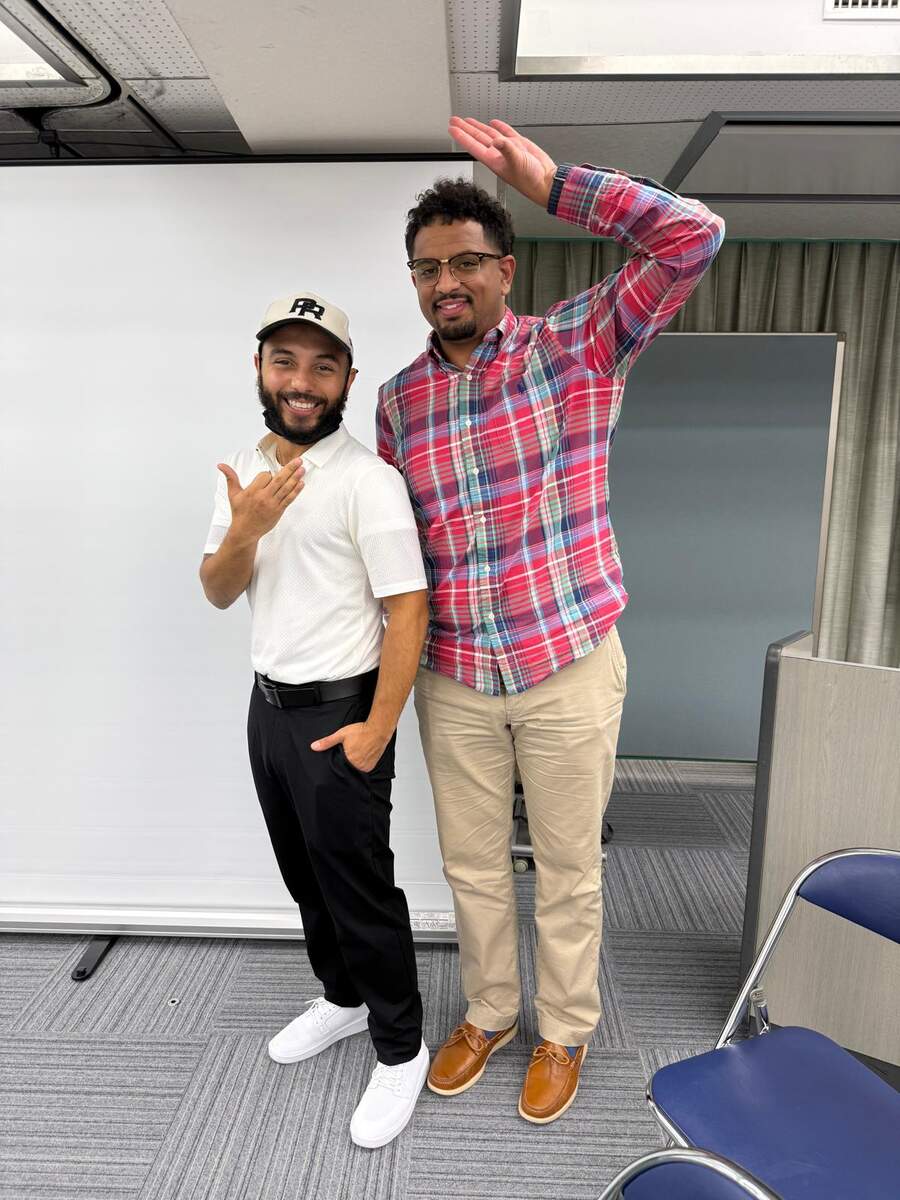 Brandon and I met years ago when we brought Foster Youth Museum to Fayetteville, Arkansas, where he was studying social work at the time
I’m looking forward to channeling the energy from all the new connections we made with fellow child welfare advocates during the trip into upcoming IFCA projects. The Japan team has grown exponentially in membership and is well on their way to instituting a youth advisory board to guide the development of the Japanese child welfare system. It was gratifying to see the root cause analysis framework they learned during my time at California Youth Connection be put into practice during their regional work meeting. I’m looking forward to meeting the Japan team in California later this year for more community organizer training.
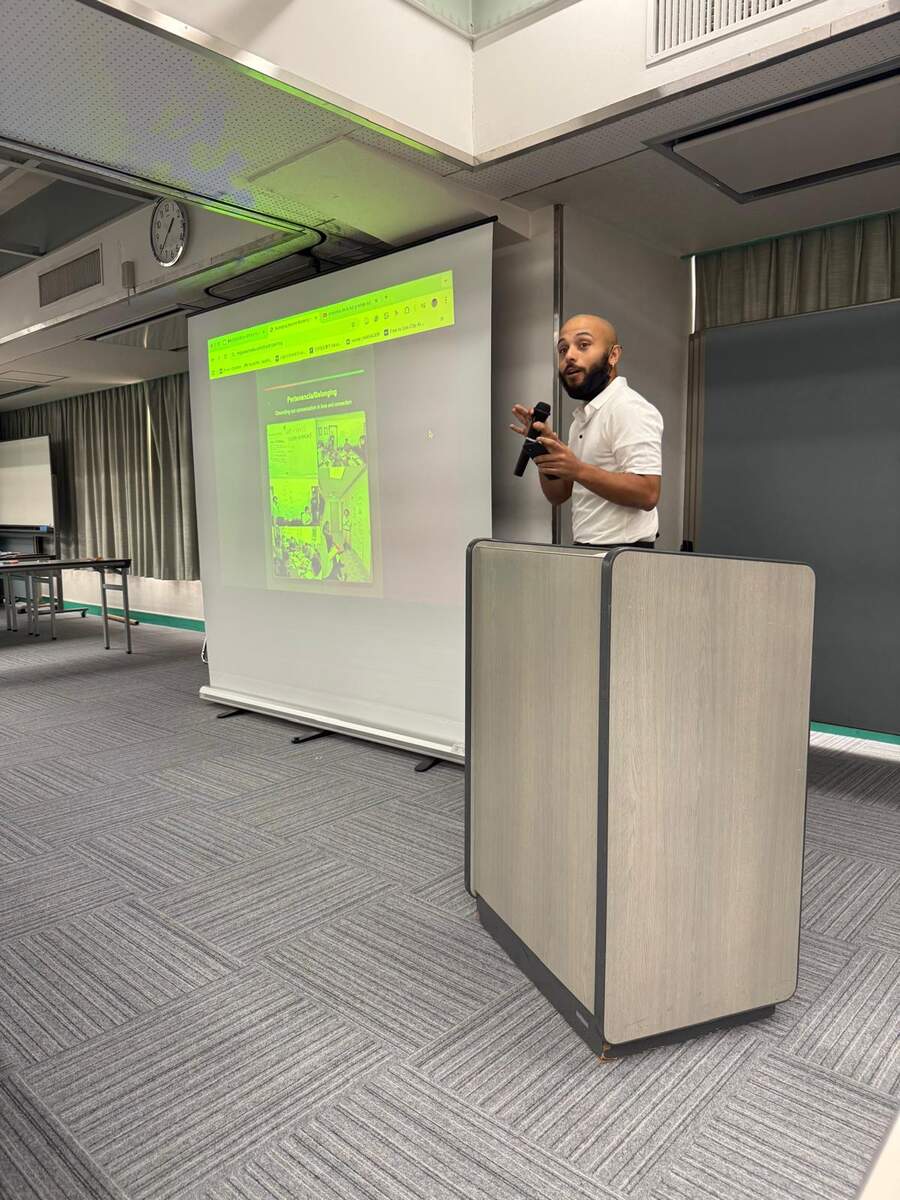
Outside the youth summit, Kate, a fellow board member who’s lived and studied in Japan, set up a few meetings with Japanese caregivers to learn about the landscape. My favorite visit was to Sakura House, the group home I wish I lived in during my time in foster care. Sakura House is a nunnery-turned-group home in Yokohama where Pang-san ran a “family-style” facility with a small staff while doubling as a foster parent in her own home. At Sakura House, each youth resident has their own room and access to recreational spaces around the facility and a beautiful rooftop view of the city. She welcomed us in and served us green tea and cookies before laying out the history of the space and her pedagogy for foster parent trainings that she runs out of another facility. Talk about supporting abused and neglected children from every angle! Rooftop view from Sakura House What surprised me the most was her mindset and attitude towards the youth she cared for. She described how important it was to maintain a judgment-free zone for the youth residents in order to create the conditions for trust to be built. They have an open door policy, meaning that though they didn’t keep youth from physically leaving the house, they always left the door open for them to come back. It’s no wonder they’ve had such success over the three years they’ve been open, I thought to myself. Youth at Sakura House have the agency to leave and come back, and live with the consequences of their choices without fear of being kicked out and disrupting their permanency. Agency is a precondition for belonging as laid out by john a. powell in “Belonging Without Othering“ (which I cite in the slides from my keynote speech from the youth summit). Youth always came back home, which is more than what a lot of group homes in the United States can say about their residents.
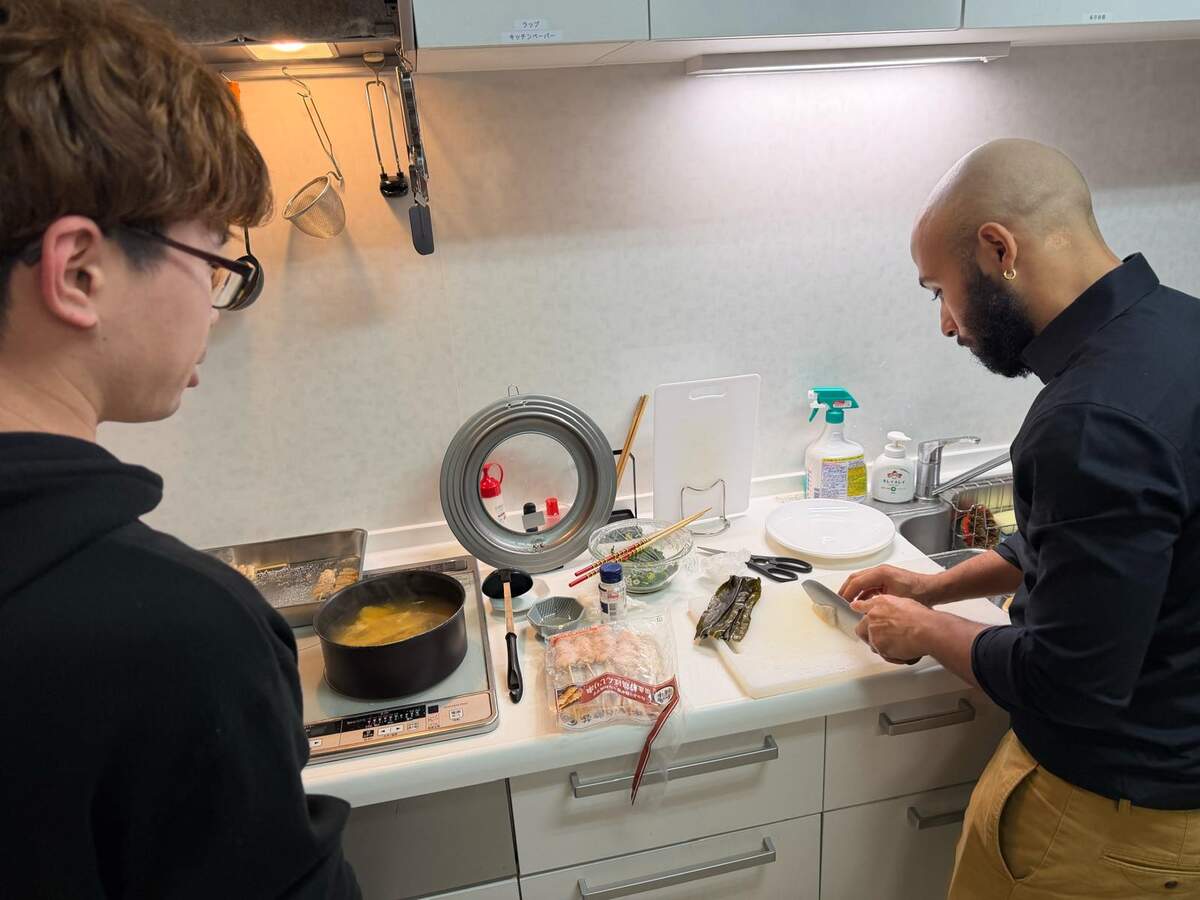 Me prepping sashimi for dinner at Sakura House
Contrast this philosophy with the attitude of a foster parent I had in California who felt it was appropriate to kick me out when I opted to leave early one morning to take the public bus to school against her wishes. I was sent to live in a county an hour away and forced to attend a different high school with different graduation requirements, which set me back in my schooling. It’s alienating experiences like this that create negative life outcomes for foster youth. We need to fly Pang-san out to the United States to train foster parents, I thought to myself.
It’s been a month since I got back to Puerto Rico and the jet lag is finally starting to wear off. Cultural exchanges like the ones IFCA facilitates between child welfare advocates around the world create foundations for positive legislative and policy changes that empower youth and families to envision better child welfare systems. I’m grateful to be a part of this movement!
Write a comment