SEN DEB FISCHER: The EV scam that stuck taxpayers with the bill for elite perks
Paul Gigot hosts a 'Journal Editorial Report' panel discussing the Global Electric Vehicle retreat, Ford's decision to cut back on EV production and Europe backtracking its decision to ban gas-powered cars by 2035.
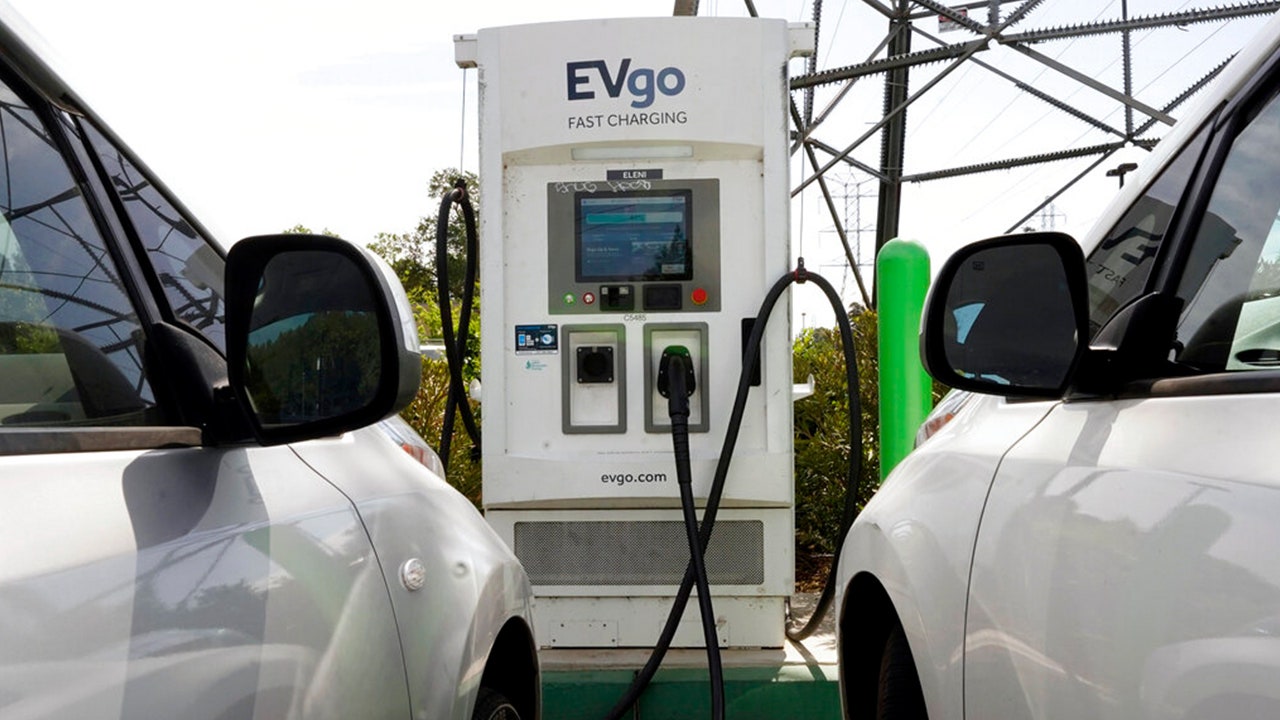
SEN DEB FISCHER: The EV scam that stuck taxpayers with the bill for elite perks The Inflation Reduction Act’s electric vehicle (EV) tax credits are criticized for failing to reduce inflation and instead subsidizing luxury car purchases for the wealthy. Data indicates that most recipients would have bought EVs anyway, and the credits disproportionately benefited high earners. The environmental benefits are also questioned, as they largely displaced sales of other efficient vehicles, and the program is seen as inequitable and fiscally irresponsible.
- The Inflation Reduction Act’s EV tax credits are criticized for not reducing inflation and disproportionately benefiting the wealthy.
- A National Bureau of Economic Research study found that 70% of EV tax credit recipients would have purchased an electric car regardless.
- Before the act, the top 5% of earners claimed half of all EV tax credit benefits, while the bottom 60% received less than 3%.
- The income cap for the credits was set at $300,000 for joint filers, considered too high to be middle class.
- Research suggests the environmental benefits are overstated, with credits displacing sales of other efficient vehicles like hybrids.
- Repealing these tax credits is estimated to save taxpayers $190 billion over the next decade.
- A proposal called the Fair SHARE Act aims to require EVs to contribute to the Highway Trust Fund, which is projected to become insolvent by 2028.
- EVs do not contribute to the Highway Trust Fund through the federal gas tax, despite their weight causing more road wear.
No comments yet.
Write a comment