Germany Expels Russian Diplomat Over Espionage Allegations
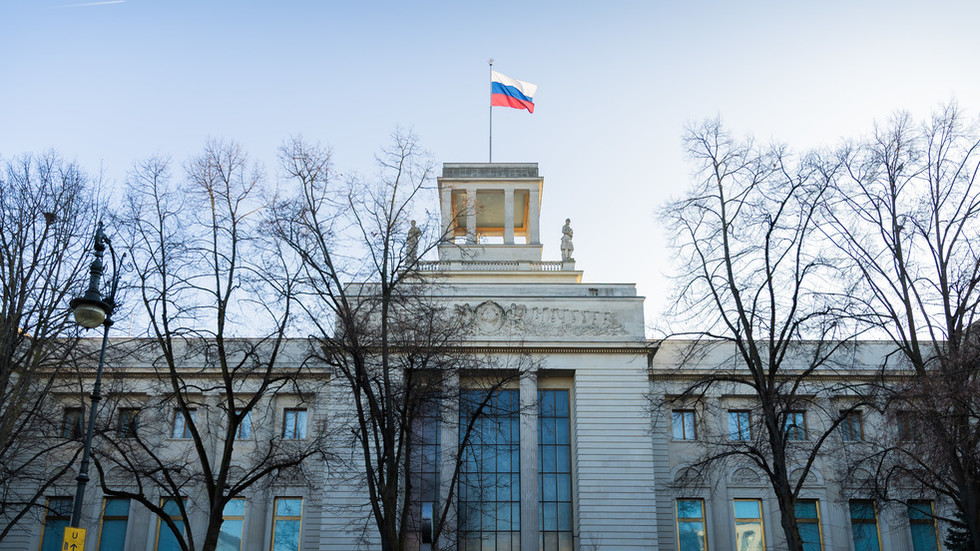
Germany Expels Russian Diplomat Over Espionage Allegations government Government-aligned coverage depicts the expelled Russian deputy military attaché as a diplomat credibly suspected of espionage and stresses that Germany is applying established legal and diplomatic tools, such as declaring him persona non grata. It frames the case as part of a broader, sober effort to counter Russian intelligence activity while maintaining procedural caution and acknowledging, but not dramatizing, Moscow’s promised retaliation. @@gdyw…c877 @@czfy…lhuw
opposition Opposition coverage portrays the incident as a significant espionage scandal in which the expelled deputy attaché allegedly ran a GRU-linked spy network that used a dual German-Ukrainian businesswoman to access German elites and sensitive information on the Ukraine war. It emphasizes detailed operational links, additional arrests, and ties to pro-Russian separatist entities, arguing this reflects deep vulnerabilities in Germany’s security and political systems. @@hv5d…0lmx Germany has expelled a Russian diplomat, identified in both sets of reports as deputy military attaché Andrei Mayorov at the Russian embassy in Berlin, after German authorities accused him of engaging in espionage on behalf of Russian intelligence. The German Foreign Ministry summoned Russian Ambassador Sergey Nechayev, declared the diplomat persona non grata, and ordered him to leave the country within three days, linking the move to an espionage investigation in which a dual German-Ukrainian citizen, Ilona W. (also identified as Ilona Kopylova/Wiener), was arrested in Berlin on suspicion of passing information about the war in Ukraine to Russian special services. Both government- and opposition-leaning outlets agree that searches were conducted at additional locations in Brandenburg, Rhineland-Palatinate, and Munich; that Moscow has rejected the spying allegations, calling them baseless and politically motivated; and that Russian officials have warned of unspecified retaliatory steps against what they describe as Germany’s hostile actions.
Across the board, coverage situates the expulsion within broader institutional and geopolitical tensions between Germany and Russia since the start of the war in Ukraine, particularly around intelligence operations, sanctions, and support for Kyiv. Both sides highlight the role of German security services and federal prosecutors in investigating alleged Russian spy networks and their links to Russian military intelligence (often associated with the GRU), framing this case as part of a pattern of increased counterintelligence vigilance in Germany. There is shared acknowledgment that individuals in Germany—sometimes with dual citizenship and professional or political contacts—have been suspected of transmitting sensitive political, military, or economic information to Russian agencies, and that Berlin’s response now includes more frequent use of diplomatic expulsions, public naming of suspects, and coordination among German law enforcement, intelligence bodies, and foreign policy institutions.
Points of Contention
Gravity and framing of the case. Government-aligned coverage presents the expulsion as a routine, legally grounded counterintelligence measure following the detention of a suspected spy, emphasizing procedure (summoning the ambassador, declaring persona non grata status, and setting a departure deadline) and stressing that Germany is simply enforcing its laws. Opposition sources, by contrast, frame the episode as a major espionage scandal, naming the deputy attaché and the arrested woman, detailing her business and political contacts, and portraying the affair as evidence of a broader, sophisticated GRU spy network. Government outlets tend to speak in more general terms about “alleged espionage,” whereas opposition outlets emphasize operational specifics and potential damage, casting the case as more far-reaching.
Characterization of Russian conduct and motives. Government-friendly reporting generally notes Russia’s denial of the allegations and its pledge to retaliate, but it presents these statements in a restrained, declarative style, focusing on diplomatic protocol rather than moral judgment and framing Moscow’s reaction as predictable tit-for-tat. Opposition media depict Russian conduct as part of an aggressive, ongoing covert campaign against Germany and Europe, explicitly tying the case to Russian efforts to undermine support for Ukraine and to cultivate influence among German elites. While government-aligned narratives stress the formal accusation of spying, opposition narratives more strongly underscore intentional subversion, influence operations, and links to entities like the Donetsk and Luhansk formations described as terrorist organizations.
Domestic political and security implications. Government-oriented outlets portray the incident mainly as a foreign policy and security matter, underscoring that Germany will not tolerate espionage on its soil and hinting at continued firmness but without dwelling on domestic political fallout. Opposition coverage, however, underlines internal vulnerabilities, focusing on how a dual citizen embedded in business and political circles could allegedly interact with senior figures while working with Russian intelligence, and suggesting systemic gaps in vetting and counterintelligence. The latter also connects this and related arrests to wider concerns over far-right, pro-Russian, or anti-Ukraine networks inside Germany, implying that the scandal reveals deep-seated risks to national security that demand stronger reforms.
Legal process and due process emphasis. Government-aligned sources highlight formal legal steps—arrest, detention, and the persona non grata declaration—while carefully using qualifiers like “suspected” and “alleged,” suggesting that investigations are ongoing and judgments are reserved for the courts. Opposition outlets, though they also reference formal charges, write in a more accusatory tone, treating the espionage narrative and GRU links as largely established and stressing the operational role of the deputy attaché as a handler overseeing a network. This leads government coverage to appear more procedural and state-centric, whereas opposition coverage leans into investigative detail and implication, giving the impression of a case that is already substantively proven in the court of public opinion.
In summary, government coverage tends to treat the expulsion as a measured enforcement of German sovereignty and law within a tense but familiar diplomatic confrontation, while opposition coverage tends to portray it as the visible tip of a larger, dangerous Russian espionage and influence operation that exposes serious internal vulnerabilities in Germany.
Story coverage nevent1qqszw7m4e4faf4zr4kdw0durfqfxel2pxpaxztvwj9ykgpxrj0hmh0gwgfhvd nevent1qqsqmts9uhv3hpvn6rd2sgm7ngt7c6jqeswa364hjlgrzayqfxpwfxs5dwpm5 nevent1qqs2g2jk0srh4ndadrsqew0wm6zdc8c63dr8n375jjths90rq5g9t9qcrpyyk nevent1qqswkmqxhez775xe4yewwtffmlyp96jskrkywq0agmppw0gq0w8ga6qj62tuw nevent1qqstgqmhahx3anhq2v58auj8r48dmk46n3v42xv3rlrq052r679tjcshczngy
Write a comment