Texas Regulators Flag Safety Deficiencies at Camp Mystic
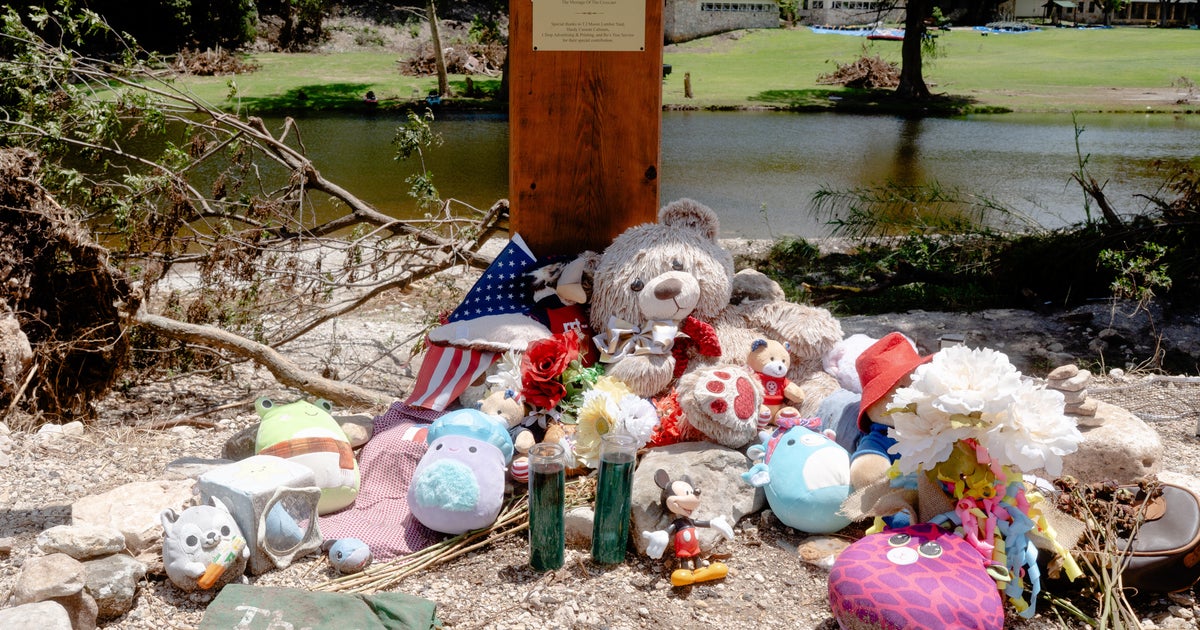
Texas Regulators Flag Safety Deficiencies at Camp Mystic liberal Liberal outlets highlight Texas regulators’ long list of safety-plan deficiencies at Camp Mystic as evidence of systemic oversight failures that contributed to the deadly flood’s toll and argue for stronger, statewide standards before reopening. They center victims and public safety, treating the camp’s Christian identity as secondary to its legal and ethical duty of care. @CBS News
conservative Conservative outlets emphasize that Camp Mystic’s emergency plan had shortcomings but frame the 2025 flood primarily as an extreme natural disaster that overwhelmed the camp, not as a preventable regulatory failure. They stress the camp’s Christian mission, cooperation with regulators, and the need to improve safety without imposing excessive new burdens on faith-based and private camps. @The Washington Times Texas regulators reviewing Camp Mystic’s bid to reopen this summer have flagged nearly two dozen deficiencies in the camp’s emergency operations plan, according to both liberal and conservative outlets. Reports agree that the issues include unclear evacuation procedures, poorly defined staff roles, and gaps that could slow or confuse responses during an emergency, all of which must be corrected before the Christian summer camp can receive approval to operate again. Coverage from both sides notes that the review comes less than a year after a deadly flood at the camp that killed 27 people, including children and counselors, and that state officials formally warned the camp about these shortcomings in the submitted plan.
Liberal- and conservative-leaning sources both emphasize that Camp Mystic is cooperating with regulators and working to revise its safety protocols in order to reopen. They describe the regulatory review as part of a broader effort by Texas authorities to tighten oversight of high-risk sites following the 2025 flood tragedy, highlighting the importance of clear emergency chains of command, evacuation routes, and communication procedures. Both perspectives agree that the camp’s religious mission and long-standing role as a Christian camping venue are central to its identity, and they present the current regulatory process as a necessary step to ensure that any future operations meet strengthened safety expectations.
Areas of disagreement
Responsibility and blame. Liberal-aligned coverage more strongly emphasizes systemic failures, suggesting that state regulators and camp management together allowed the camp to operate with inadequate safeguards before the fatal flood and framing the deficiencies as part of a broader pattern of lax oversight. Conservative coverage places primary responsibility on the unprecedented severity of the 2025 flood, treating the tragedy largely as a natural disaster that overwhelmed existing plans rather than a predictable consequence of regulatory neglect. While both note the deficiencies, liberals frame them as evidence of long-standing institutional shortcomings, whereas conservatives tend to cast them as correctable oversights exposed by an extreme event.
Regulatory scrutiny and reform. Liberal sources generally portray the stepped-up review of Camp Mystic’s emergency plan as necessary, overdue, and potentially a model for more stringent statewide camp-safety standards. Conservative outlets acknowledge the need for corrections but warn—explicitly or implicitly—against overregulation that could burden faith-based and private camps, stressing flexibility and local control. Liberals highlight the tragedy as justification for stronger mandates and closer inspections, while conservatives focus on calibrating regulation so it improves safety without unduly constraining operations or religious ministries.
Characterization of Camp Mystic and its mission. Liberal coverage tends to place more narrative weight on the victims and their families, sometimes casting Camp Mystic’s Christian identity as secondary to its responsibilities as a business serving minors and subject to public safety rules. Conservative coverage more prominently underscores the camp’s long history and religious mission, portraying it as a valued Christian institution now working in good faith to remedy shortcomings. As a result, liberals present the camp more through a lens of accountability and duty of care, while conservatives frame it as an institution in mourning that deserves a fair chance to reopen once it meets safety requirements.
Future risk and public confidence. Liberal-leaning reporting is more likely to question whether any summer reopening is appropriate before broader regional flood-mitigation and warning systems are strengthened, sometimes invoking climate-related concerns about repeated extreme weather events. Conservative reporting tends to assume reopening is a reasonable goal once the specific deficiencies are fixed, focusing on restoring parents’ confidence through demonstrable plan improvements rather than broader environmental or structural reforms. Thus, liberals frame future risk as tied to larger environmental and infrastructural vulnerabilities, while conservatives concentrate on discrete emergency-planning fixes within the camp’s control.
In summary, liberal coverage tends to frame Camp Mystic’s deficiencies as emblematic of broader regulatory and institutional failures that demand stronger, systemic reforms, while conservative coverage tends to treat the problems as specific, correctable shortcomings exposed by an extreme natural disaster and emphasizes the camp’s religious mission and right to reopen once requirements are met. Story coverage
Write a comment