Trump Extends Israel-Lebanon Ceasefire by Three Weeks
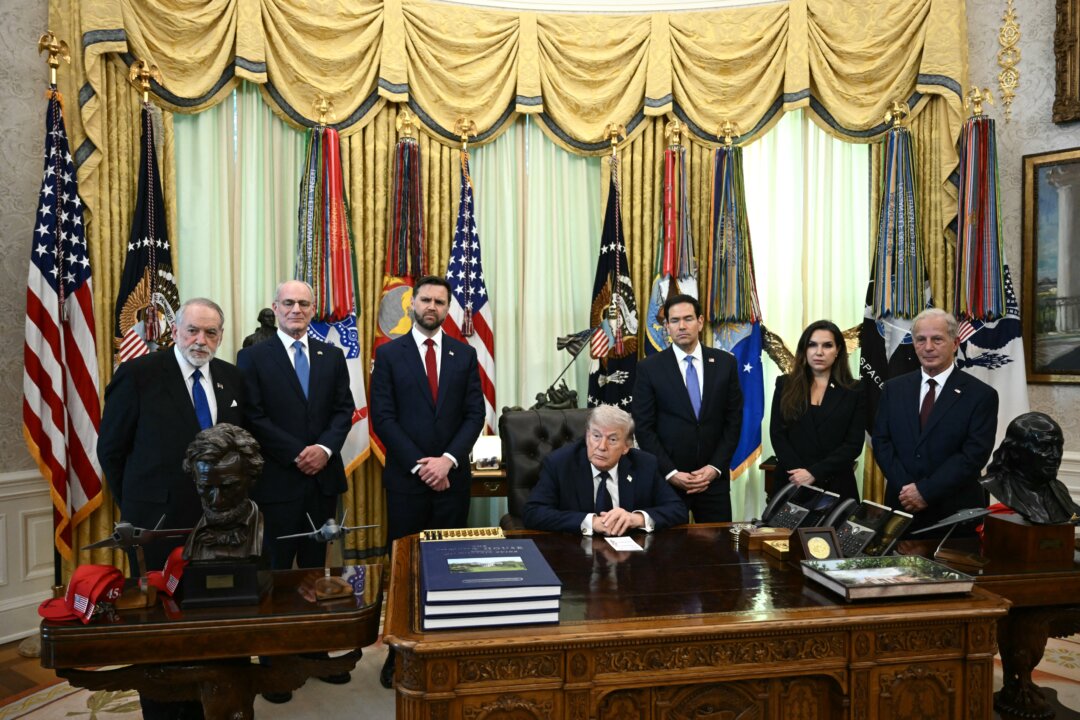
Trump Extends Israel-Lebanon Ceasefire by Three Weeks conservative Conservative coverage presents Trump’s three-week ceasefire extension as a major diplomatic success that reflects strong U.S. leadership, increased engagement in Lebanon, and reliable backing for Israel against Hezbollah. These outlets tend to frame Hezbollah as the primary spoiler and argue that incremental, U.S.-led truces can both deter aggression and open space for longer-term stability. @The Epoch Times @Washington Examiner President Donald Trump has announced a three-week extension of the ceasefire between Israel and Lebanon, building on a prior 10-day truce facilitated by his administration. Coverage across both liberal and conservative outlets agrees that the announcement followed Oval Office meetings with envoys or representatives from Israel and Lebanon, alongside Trump’s national security team, and that the deal is intended to pause hostilities between Israel and Hezbollah along the Lebanese front. Reports also concur that despite the formal extension, exchanges of fire quickly resumed between Israel and Hezbollah elements, highlighting the fragility of the arrangement. All sides acknowledge that Hezbollah figures, notably lawmaker Ali Fayyad, publicly rejected the ceasefire as currently structured, calling it meaningless in light of ongoing Israeli actions.
Liberal and conservative coverage alike situate the move within the broader pattern of U.S. mediation in the Middle East and the longstanding volatility on the Israel-Lebanon border. Both describe Hezbollah as a powerful armed and political actor in Lebanon, whose assent or defiance can determine whether any truce holds, and they reference ongoing disputes over Israel’s presence and activities in southern Lebanon as a key source of tension. Outlets on both sides also frame the ceasefire extension as an attempt to prevent escalation into a wider conflict that could draw in regional and international players, with the United States positioning itself as a central broker. There is common acknowledgment that any durable peace would require deeper political arrangements and security guarantees beyond a short-term pause in fighting.
Areas of disagreement
Framing of Trump’s role and effectiveness. Liberal-aligned sources tend to portray Trump’s extension of the ceasefire as a fragile, largely symbolic step that has limited practical effect given that hostilities resumed quickly and Hezbollah figures openly rejected the terms. Conservative outlets, by contrast, emphasize Trump’s personal leadership, the Oval Office meetings, and characterize the extension as a historic diplomatic achievement, highlighting direct engagement between Israel and Lebanon as a breakthrough in itself. Where liberal coverage is more likely to stress that the quick violations expose the limits of Trump’s approach, conservative coverage underscores the attempt as evidence of decisive U.S. action and a willingness to confront Hezbollah’s influence.
Characterization of Hezbollah and Israeli actions. Liberal sources generally present Hezbollah within a broader Lebanese political and social context, noting both its militia and parliamentary roles and giving more airtime to its argument that continued Israeli operations undermine any ceasefire. Conservative coverage more often foregrounds Hezbollah’s status as a militant or terrorist organization and aligns with Israel’s claims of self-defense, stressing that any Hezbollah attacks justify Israeli retaliation. As a result, liberal reporting is more inclined to question whether Israeli conduct on the ground is compatible with a sustainable truce, while conservative reporting tends to frame the main obstacle as Hezbollah’s refusal to accept constraints and its rejectionist rhetoric.
Assessment of ceasefire viability and U.S. strategy. Liberal-aligned outlets frequently frame the three-week extension as a stopgap that does little to address the structural causes of conflict, such as unresolved territorial disputes and the balance of power between Israel and Hezbollah, and they often cast doubt on Washington’s willingness to press Israel for meaningful concessions. Conservative outlets typically portray the extension as a realistic and necessary step toward de-escalation, arguing that incremental pauses backed by stronger U.S. involvement in Lebanon can both pressure Hezbollah and stabilize the border. Thus, liberal coverage questions whether the U.S. strategy is too one-sided to succeed, while conservative coverage presents it as a firm, pro-Israel stance that nonetheless opens space for diplomacy.
Impact on regional dynamics and U.S. interests. Liberal coverage is more prone to warn that a narrowly framed, short-term ceasefire, if perceived as favoring Israel, could deepen anti-U.S. sentiment in parts of the region and entrench Hezbollah’s narrative that Washington cannot be an honest broker. Conservative coverage, in contrast, often argues that clear U.S. backing for Israel and opposition to Hezbollah enhances American credibility among allies and deters Iran-aligned actors. Consequently, liberal sources stress the risk of escalation and blowback if underlying grievances go unaddressed, while conservative sources highlight the potential for stronger deterrence and alignment with regional partners.
In summary, liberal coverage tends to cast Trump’s three-week Israel-Lebanon ceasefire extension as a fragile, limited measure that fails to resolve core disputes and may be undermined by perceived imbalance, while conservative coverage tends to hail it as a significant diplomatic step demonstrating strong U.S. leadership, firm support for Israel, and a tougher stance against Hezbollah.
Story coverage
Write a comment