Colombian Military Transport Plane Crashes, Killing Dozens
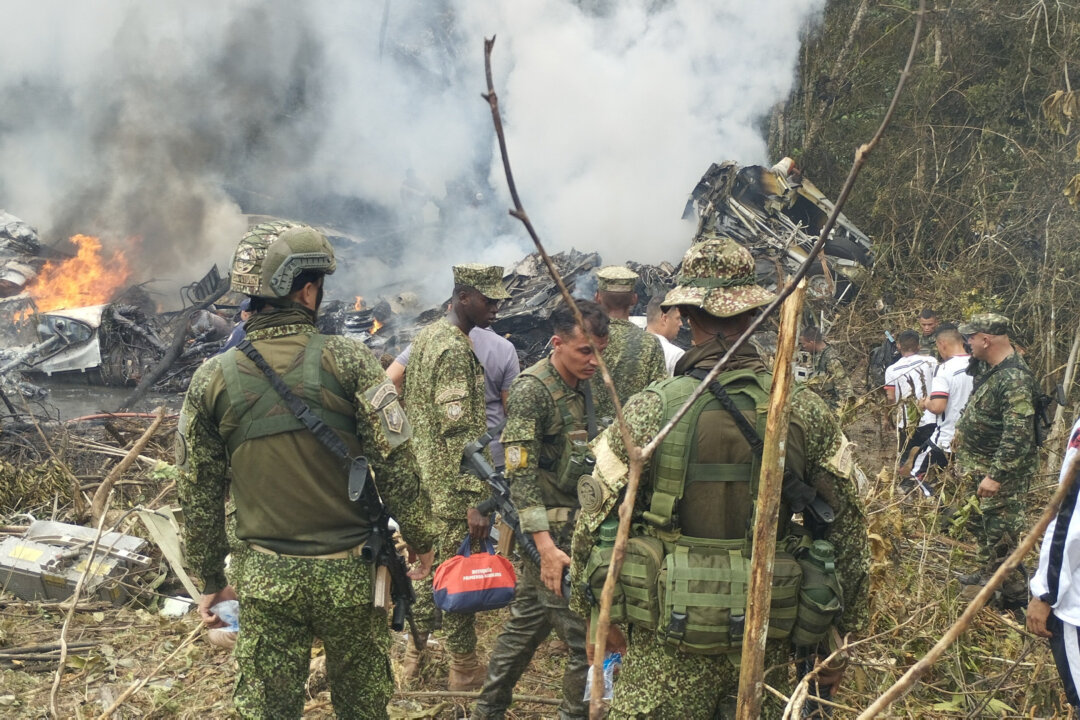
Colombian Military Transport Plane Crashes, Killing Dozens conservative Conservative coverage portrays the Colombian C-130 crash as a national military tragedy arising from the inherent risks of demanding flight operations, focusing on the heroism of soldiers, rescue efforts, and the need to maintain strong airlift capacity. It emphasizes internal military investigations, cautions against politicizing the disaster, and generally resists framing the accident as evidence of systemic institutional failure. @Infowars @The Epoch Times @The Washington Times A Colombian Air Force Lockheed Martin C-130 Hercules military transport plane crashed shortly after takeoff from Puerto Leguízamo in southern Colombia, with well over 100 people on board, most of them soldiers along with some police and other security personnel. Across both liberal and conservative coverage, reports agree that the aircraft went down on departure, that dozens were killed and many more injured, that the crash represents one of Colombia’s deadliest military aviation accidents in recent years, and that authorities were still working to reconcile inconsistent early figures on deaths, injuries, and passengers while search-and-rescue teams moved survivors to nearby hospitals and looked for missing people.
Reporting from both sides situates the event within Colombia’s long-standing reliance on military airlift to move troops and supplies in remote regions, emphasizing the C-130’s role as a workhorse of the Colombian Aerospace Force. Coverage broadly concurs that the crash is under active investigation with no confirmed cause yet, that the incident raises renewed questions about maintenance, fleet age, and operational strain in Colombia’s military aviation, and that it comes amid ongoing internal security operations against armed groups in border and jungle areas. Liberal and conservative outlets alike note that the government has promised a transparent inquiry involving military and civil aviation authorities and that families of the victims and survivors are being prioritized for support while officials balance operational secrecy with public pressure for answers.
Areas of disagreement
Responsibility and blame. Liberal-aligned outlets more often stress the preliminary nature of the investigation and caution against attributing fault prematurely, framing the crash as a potential mix of structural, budgetary, and operational issues that will need systemic review. Conservative sources are quicker to highlight possible pilot error, mechanical failure, or adverse conditions as discrete causes, sometimes hinting at operational misjudgments rather than broader institutional neglect. Liberals tend to fold the event into a narrative of chronic underfunding and overstretch of the armed forces, while conservatives more frequently frame it as a tragic but inherent risk of military duty that should not be politicized.
Institutional accountability and oversight. Liberal coverage tends to foreground demands for independent oversight, including calls from human rights groups, legislators, and aviation experts for external audits of the military’s airworthiness and safety culture. Conservative coverage more often emphasizes internal military investigations, stressing the competence and professionalism of the armed forces and warning that excessive civilian intrusion could undermine operational effectiveness. Liberals present the crash as a potential catalyst for broader defense-sector transparency and procurement reform, whereas conservatives typically argue that any review should remain largely within the chain of command and avoid what they depict as ideologically driven attacks on the military institution.
Broader political framing. Liberal-aligned sources sometimes connect the crash to the current government’s wider security and peace agenda, questioning whether strategic priorities, resource allocation, or competing political pressures have left aviation assets outdated or overstretched. Conservative outlets are more likely to separate the accident from partisan politics, treating it primarily as a national tragedy and focusing on unity, support for the troops, and continuity of security operations. Where liberals may highlight long-term structural failures in state capacity and civil–military management, conservatives tend to resist framing the event as symptomatic of systemic decay, instead stressing resilience and the need to maintain strong military capabilities.
International and defense-industry context. Liberal coverage occasionally situates the crash within critiques of dependence on aging U.S.-made airframes and questions surrounding arms procurement, suggesting Colombia should prioritize safer modernization and less opaque purchasing practices. Conservative sources more often underscore the reliability and long combat record of the C-130 platform, portraying the crash as an exceptional failure rather than evidence against continued use of such aircraft and, in some cases, implying that budget constraints or political hesitation on defense spending may impede necessary upgrades. Liberals may use the incident to argue for rebalancing away from heavy militarization toward civilian infrastructure and transport, while conservatives emphasize the strategic necessity of robust airlift in Colombia’s ongoing security operations.
In summary, liberal coverage tends to frame the crash as evidence of deeper structural, oversight, and policy problems in Colombia’s defense sector that warrant independent scrutiny and reform, while conservative coverage tends to treat it as a grave but isolated military tragedy, emphasizing institutional honor, operational necessity, and internally managed investigations.
Story coverage
Write a comment