Lithium Oxalate Production Cost Analysis: Key Factors Influencing Manufacturing
- Overview of Lithium Oxalate Manufacturing
- Key Raw Materials and Inputs
- Major Cost Drivers in Production
- Regional Cost Differences
- Impact of Market Trends on Production Economics
- Why Detailed Production Cost Intelligence Matters
- Lithium Oxalate Production Cost Report
- Final
Understanding Lithium Oxalate production cost analysis has become increasingly important for chemical manufacturers, battery material suppliers, procurement teams, and investors involved in advanced materials and energy storage markets. As lithium-based compounds continue to gain strategic importance across industrial applications, production economics now play a central role in long-term business planning.
Global demand for lithium derivatives has expanded significantly due to rapid growth in electric vehicles, energy storage systems, specialty chemicals, and pharmaceutical intermediates. At the same time, manufacturers are facing rising supply chain pressures, fluctuating energy prices, and tightening environmental regulations that directly influence industrial production cost structures.
For stakeholders evaluating investment opportunities or procurement strategies, analyzing the cost of producing Lithium Oxalate provides valuable insights into operational efficiency, feedstock optimization, and market competitiveness. A detailed understanding of manufacturing economics also helps companies improve cost forecasting and assess future profitability under changing market conditions.
Overview of Lithium Oxalate Manufacturing
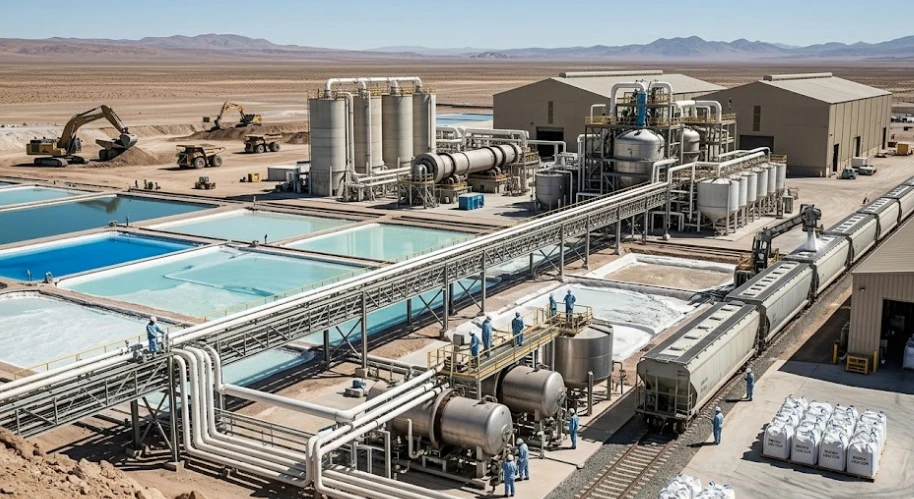
Lithium Oxalate is an inorganic lithium compound commonly used in specialty chemical synthesis, electrochemical applications, catalyst preparation, and advanced material processing. Industrial production typically involves chemical precipitation and reaction-based manufacturing processes using lithium-containing feedstocks and oxalic acid derivatives.
Industrial Manufacturing Process
The standard manufacturing route generally includes:
Preparation of lithium feedstock solution
Controlled reaction with oxalic acid or oxalate salts
Precipitation of Lithium Oxalate crystals
Filtration and purification
Drying and packaging
The production process requires precise temperature control, pH management, and impurity removal to maintain product quality and consistency.
Key Technologies Used
Several technologies are utilized in Lithium Oxalate manufacturing, including:
Batch chemical synthesis systems
Continuous precipitation reactors
Vacuum filtration equipment
Crystallization systems
Industrial drying technologies
Automation and process optimization technologies are increasingly being adopted to improve yield efficiency and reduce operational costs.
The overall Lithium Oxalate manufacturing cost depends heavily on process efficiency, feedstock purity, and plant-scale operations.
Key Raw Materials and Inputs
Raw material selection is one of the most critical factors influencing Lithium Oxalate production cost analysis. Variations in feedstock pricing and supply availability can significantly affect profitability.
Primary Raw Materials
Key inputs include:
Lithium carbonate
Lithium hydroxide
Oxalic acid
Process water
Chemical additives and purification agents
Among these, lithium carbonate and lithium hydroxide generally represent the largest share of raw material expenses due to their price volatility in global lithium markets.
Energy and Utilities
Energy consumption is another major component of industrial production cost. Manufacturing facilities require:
Electricity for reactors and filtration systems
Steam for heating operations
Cooling systems
Compressed air
Water treatment utilities
Rising global electricity and natural gas prices continue to impact Lithium Oxalate plant cost structures across multiple regions.
Catalysts and Processing Aids
Although catalyst usage is relatively limited compared to other chemical processes, purification chemicals and filtration aids contribute to operational expenses, especially in high-purity production facilities.
Raw material cost analysis is therefore essential for manufacturers seeking to maintain stable margins in competitive markets.
Major Cost Drivers in Production
Several operational and economic variables influence the overall cost of producing Lithium Oxalate.
Raw Material Costs
Feedstock pricing remains the dominant cost factor. Lithium market volatility directly impacts manufacturing economics because lithium carbonate and lithium hydroxide prices can fluctuate significantly based on mining output, battery demand, and geopolitical factors.
Energy Consumption
Energy-intensive process steps such as drying, crystallization, and purification increase operating expenses. Facilities located in regions with high electricity tariffs typically face elevated production costs.
Labor and Workforce Expenses
Labor costs vary depending on:
Regional wage structures
Technical expertise requirements
Plant automation levels
Safety compliance standards
Highly automated plants may reduce labor dependency but require higher capital investment.
Plant Maintenance and Equipment
Chemical processing facilities require ongoing maintenance for:
Corrosion-resistant reactors
Filtration systems
Process piping
Environmental treatment systems
Maintenance expenditures can significantly influence long-term operational efficiency.
Transportation and Logistics
Logistics costs depend on:
Feedstock sourcing distance
Export/import regulations
Shipping infrastructure
Hazardous material handling requirements
Global freight fluctuations have added additional pressure on chemical plant cost analysis in recent years.
Regional Cost Differences
Lithium Oxalate production cost varies substantially across global manufacturing regions due to differences in energy pricing, feedstock access, labor availability, and environmental regulations.
North America
North American manufacturers benefit from advanced chemical infrastructure and strong research capabilities. However, higher labor costs and environmental compliance requirements can increase manufacturing expenses.
Asia-Pacific
Asia remains a major production hub due to:
Large-scale lithium processing facilities
Lower manufacturing costs
Integrated supply chains
Strong battery industry demand
China in particular has developed extensive lithium refining capabilities, contributing to competitive production economics.
Europe
European facilities often face higher operating costs because of:
Strict environmental standards
Elevated energy prices
Carbon reduction policies
Despite higher costs, Europe continues investing in localized lithium chemical production to reduce supply chain dependence.
Middle East
Although lithium processing infrastructure is still developing in the Middle East, low-cost energy availability may create future opportunities for competitive specialty chemical manufacturing.
Regional differences in industrial production cost highlight the importance of location analysis when evaluating new project investments.
Impact of Market Trends on Production Economics
Several emerging industry trends are reshaping Lithium Oxalate manufacturing cost structures and long-term production strategies.
Green Manufacturing Initiatives
Manufacturers are increasingly adopting sustainable production practices to reduce emissions and improve energy efficiency. Investments in cleaner technologies may increase short-term capital expenditure but can improve long-term operational performance.
Decarbonization Policies
Global decarbonization targets are influencing chemical manufacturing through:
Carbon taxation
Renewable energy adoption
Emission reduction mandates
Sustainable sourcing requirements
These policies are gradually changing chemical plant cost analysis across industrial sectors.
Energy Transition and Battery Demand
The global energy transition continues driving lithium demand growth. Expanding battery production capacity has intensified competition for lithium feedstocks, contributing to price volatility across the supply chain.
Supply Chain Diversification
Manufacturers are increasingly seeking diversified sourcing strategies to reduce dependence on concentrated lithium supply regions. This trend may alter procurement costs and regional production economics in the coming years.
Why Detailed Production Cost Intelligence Matters
Comprehensive cost intelligence plays a crucial role in industrial decision-making. Companies rely on detailed production cost analysis when evaluating:
New manufacturing plant investments
Capacity expansion projects
Procurement planning
Supplier negotiations
Market entry strategies
Operational optimization initiatives
For investors, accurate manufacturing economics provide greater visibility into project feasibility and long-term profitability potential.
Procurement teams also use cost benchmarking data to improve sourcing strategies and manage exposure to raw material price fluctuations.
Lithium Oxalate Production Cost Report
A comprehensive lithium oxalate production cost report** **provides detailed insights into manufacturing economics, including raw material consumption patterns, process technologies, capital investment requirements, operating expenses, utility consumption, and profitability analysis.
Such reports help manufacturers, investors, and industrial planners understand the complete cost structure associated with Lithium Oxalate production. They also support strategic planning by identifying key cost drivers, regional competitiveness, and operational efficiency benchmarks.
In addition, detailed cost models assist organizations in evaluating plant feasibility, optimizing procurement strategies, and understanding future market risks associated with feedstock and energy price volatility.
Final
As global demand for lithium-based specialty chemicals continues to expand, understanding Lithium Oxalate production cost dynamics has become increasingly important for manufacturers, investors, and procurement professionals.
Raw material pricing, energy costs, regional regulations, and evolving sustainability requirements all play critical roles in shaping manufacturing economics. Accurate production cost analysis enables companies to make informed decisions regarding capacity expansion, supplier selection, and long-term investment planning
Write a comment