FARC Dissident Attack Leaves One Soldier Dead, Nine Wounded in Guaviare
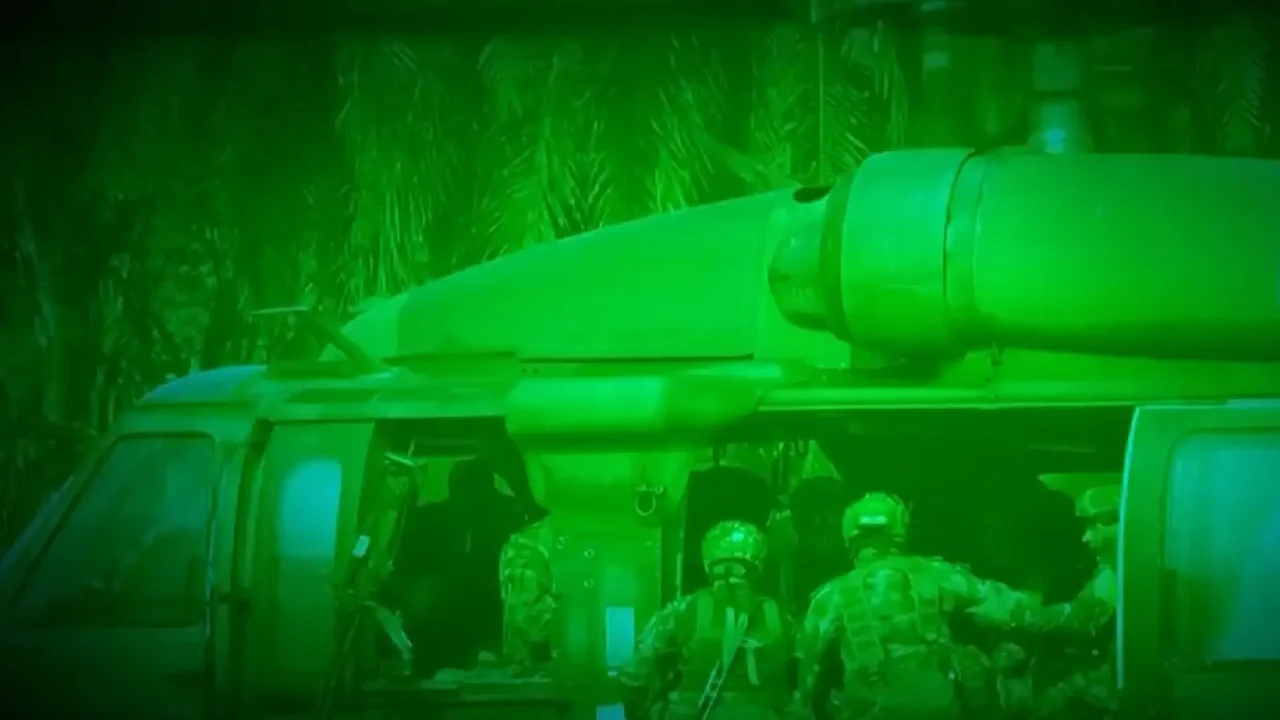
FARC Dissident Attack Leaves One Soldier Dead, Nine Wounded in Guaviare opposition Opposition-aligned coverage frames the ambush as a symptom of deeper failures in the government’s security policy, underscoring operational vulnerabilities and the persistent strength of FARC dissident structures in Guaviare. It uses details like the attack on the evacuation helicopter and repeated clashes in the region to imply inadequate planning, protection, and strategic direction from civilian and military leadership. @El Colombiano
government-aligned Government-aligned coverage presents the attack as a brutal ambush by FARC dissidents against professional soldiers engaged in stabilization efforts, emphasizing the Army’s rapid reinforcement of the area and the resilience shown in evacuating the wounded under fire. It highlights official promises to capture those responsible and portrays the incident as part of a broader, ongoing campaign that is steadily pressuring and degrading illegal armed groups. @Noticias RCN Reports from both opposition and government-aligned outlets agree that a clash between Colombian Army troops and FARC dissidents in the rural area of San José del Guaviare left one soldier dead and nine others wounded. They identify the fallen as professional soldier Yeudy Osorio Córdoba and state that the injured include two sub-officers and seven professional soldiers, all evacuated for medical attention after the attack. Both sides describe the incident as an armed confrontation or ambush against a patrol, involving rifle fire from dissident forces, and confirm that the attackers are linked to the residual organized armed group known as Estructura Isaías Carvajal, associated with FARC dissidents operating in the region.
Coverage also converges on key contextual elements: the perpetrators are framed as FARC dissidents or residual organized armed groups that rejected or abandoned the 2016 peace process, and the incident is placed within the broader pattern of ongoing instability in Guaviare. Both types of outlets highlight that the Army responded by reinforcing the area with additional troops and operational capabilities, including the use of a Black Hawk helicopter for medical evacuation and support. They note that military institutions have publicly pledged to pursue and capture those responsible, present the clash as part of continuing counterinsurgency and security operations in Colombia’s southeastern jungles, and situate the violence within a long-running conflict involving dissident structures financing themselves through illicit economies.
Points of Contention
Nature of the operation and ambush. Opposition-aligned sources tend to emphasize that the troops were conducting offensive operations against a defined dissident structure, implicitly questioning whether the unit had adequate intelligence and protection when it was surprised by hostile fire. Government-aligned outlets focus more on describing the episode as a calculated ambush against soldiers who were carrying out routine or stabilization tasks, stressing the suddenness and treachery of the attack. While both mention a clash, opposition narratives more readily imply operational vulnerability or planning gaps, whereas government-aligned reporting underscores the aggressiveness and premeditation of the dissidents’ action.
Portrayal of military performance and risk. Opposition coverage often highlights the fact that a Black Hawk helicopter used for medical evacuation was also fired upon as evidence of serious risk to military personnel and potential shortcomings in securing the perimeter or airspace. Government-aligned media acknowledge the attack on the helicopter but frame it as proof of the dissidents’ desperation and brutality, quickly pivoting to the military’s ability to extract the wounded despite the hostile fire. As a result, opposition reports use the incident to raise implicit questions about troop protection and tactical planning, while government-aligned reports use the same facts to showcase resilience and professionalism of the armed forces.
Evaluation of government and command responsibility. Opposition-aligned outlets tend to connect the episode to broader criticisms of the government’s security strategy in conflict zones, suggesting that persistent attacks in Guaviare signal flaws in policy, under-resourcing, or inconsistent rules of engagement. Government-aligned sources, by contrast, largely avoid assigning political responsibility and instead highlight statements by military commanders promising to pursue the perpetrators, reinforcing a narrative of an ongoing, controlled campaign against illegal armed groups. Thus, the opposition leans toward framing the incident as symptomatic of strategic-level failings, while government-aligned coverage frames it as an operational challenge being actively addressed by the current authorities.
Framing of the dissident threat. Opposition media often underscore the organization and territorial entrenchment of structures like Estructura Isaías Carvajal, hinting that government approaches have allowed these groups to consolidate and expand illicit economies. Government-aligned outlets describe the same dissidents as dangerous but generally focus on their weakening under pressure from security forces and on the continuity of operations to dismantle them. Consequently, opposition narratives foreground the persistence and resilience of the dissident threat as a criticism of policy, while government-aligned narratives stress ongoing containment and gradual degradation of these groups.
In summary, opposition coverage tends to use the attack as an entry point to question the effectiveness of the government’s security strategy and protection of troops, while government-aligned coverage tends to emphasize the professionalism of the armed forces, the perfidy of the dissidents, and the state’s determination to pursue and neutralize those responsible.
Story coverage
Write a comment