Nicaragua Commemorates 100th Anniversary of Cardinal Miguel Obando y Bravo's Birth
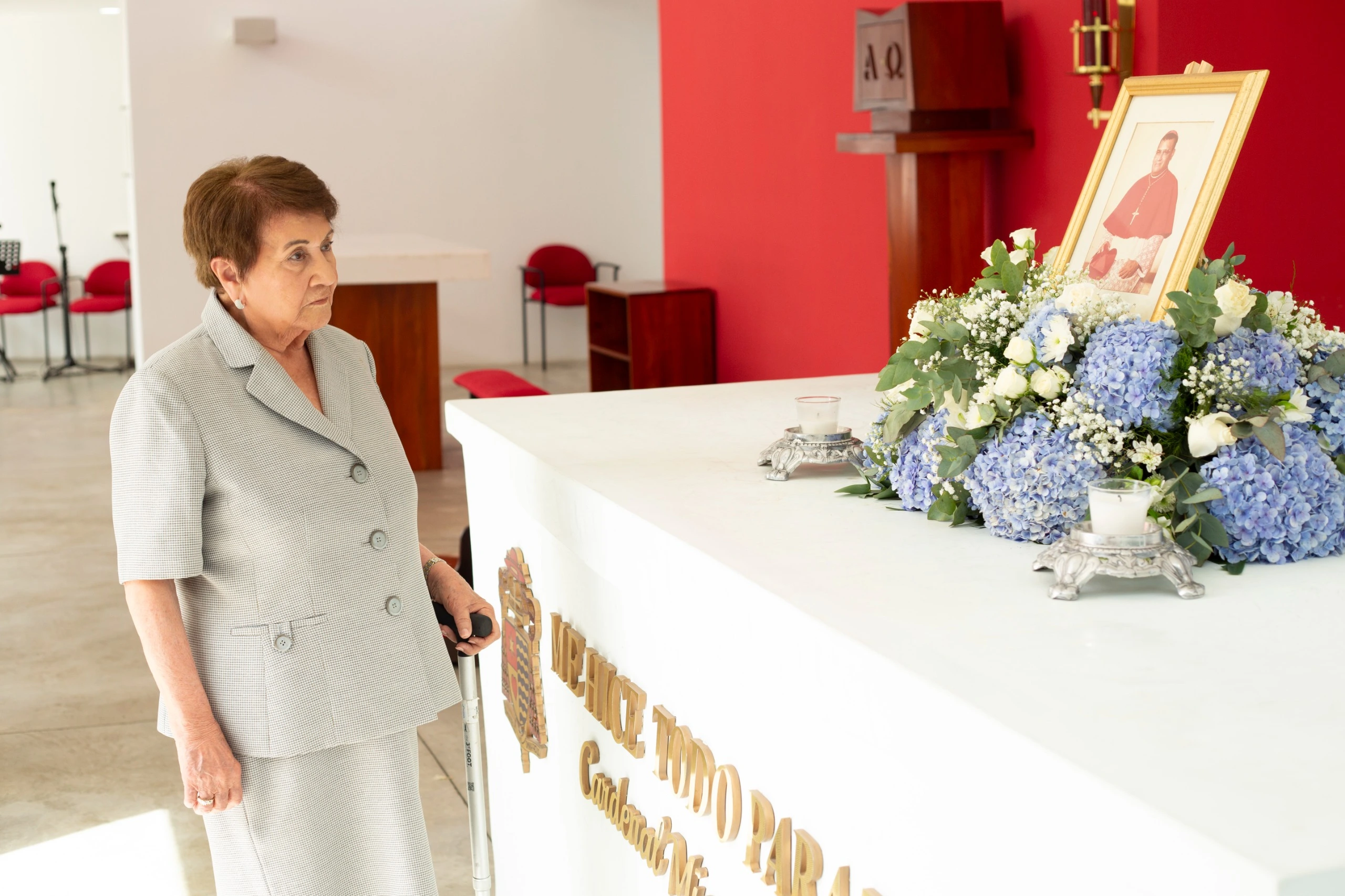
Nicaragua Commemorates 100th Anniversary of Cardinal Miguel Obando y Bravo’s Birth government-aligned Government-aligned coverage portrays the 100th anniversary of Cardinal Miguel Obando y Bravo’s birth as a nationwide celebration of a ‘Cardinal of Peace and Reconciliation’ whose teachings are embodied in today’s policies and social stability under Daniel Ortega and Rosario Murillo. These outlets emphasize state-organized religious, cultural, and civic events, new monuments, and official medals as sincere expressions of popular gratitude and confirmation that the current government has restored peace and unity to Nicaragua in alignment with his legacy. @El 19 Digital Nicaraguan media from both camps acknowledge that the country is commemorating the 100th anniversary of the birth of Cardinal Miguel Obando y Bravo with a series of official, religious, and community events held around early February, centered in Managua and several municipalities such as La Libertad in Chontales and Nindirí in Masaya. Coverage converges on basic facts: Obando y Bravo was the first Cardinal of Central America, Archbishop of Managua, a key mediator in historic national crises, and is now honored with Masses at the Cathedral of Managua and the chapel of UNICA, floral offerings, vehicular caravans, cultural activities, and the inauguration or renovation of monuments and public spaces in his name, often attended by clergy, parishioners, local authorities, and youth organizations.
Both sides also agree on broad elements of context, portraying Obando y Bravo as a religious leader associated with peace, reconciliation, and service to the poor, whose influence spanned pastoral work, education, and national politics, particularly during the struggles against the Somoza dictatorship and later peace processes. There is shared recognition that his legacy is institutionalized in Nicaragua through references in the constitution, the renaming of UNICA as Universidad Cardenal Miguel Obando Bravo, and the creation of commemorative programs and medals linked to reconciliation and peace, situating the centenary within a longer national narrative of conflict, dialogue, and attempts at social cohesion.
Points of Contention
Role in contemporary politics. Opposition-aligned sources tend to frame Obando y Bravo’s legacy as more complex and ambivalent in political terms, emphasizing that he moved from being a critic of authoritarianism to later aligning with the current government, which they see as undermining democratic norms. Government-aligned outlets instead present a seamless trajectory in which the Cardinal consistently supported reconciliation and ultimately converged naturally with the Ortega–Murillo project as the culmination of his peace work. Opposition coverage often foregrounds moments when the Cardinal’s later political stances were controversial or divisive, while official media portray his relationship with the current leadership as an undisputed sign of shared commitment to the people and national stability.
Meaning of “reconciliation and peace.” Opposition media generally argue that the government’s invocation of reconciliation and peace around the centenary is rhetorical cover for continued repression, pointing to political prisoners, exiles, and restrictions on civil liberties as evidence that genuine reconciliation is absent. Government-aligned sources define reconciliation as the overcoming of historic enmities under a constitutional order led by Ortega and Murillo, crediting them with having “returned” peace and depicting today’s calm and order as an achievement embodying the Cardinal’s teachings. While opposition reporting questions whether current conditions reflect Obando y Bravo’s vision of inclusive dialogue, official coverage treats today’s political status quo as its fulfillment.
Use of Obando’s image and legacy. Opposition-aligned outlets often contend that the ruling party instrumentalizes the Cardinal’s image—through monuments, medals, and mass events—to legitimize its authority and blur lines between church, state, and party. Government-aligned media, by contrast, present the same symbols and ceremonies as organic expressions of popular gratitude and spiritual continuity, insisting that naming monuments or awards in Obando y Bravo’s honor simply recognizes his historic contributions. For critics, the omnipresent linkage of his figure with Sandinista slogans and government programs signals partisan appropriation, whereas pro-government coverage treats this fusion as a natural reflection of shared values of faith, patriotism, and social justice.
Assessment of current social climate. Opposition coverage typically stresses persistent polarization, economic hardship, and fear among dissenters, arguing that the centenary celebrations gloss over unresolved grievances and the lack of pluralistic debate that would have concerned a mediator like Obando y Bravo. Government-aligned outlets instead highlight “tranquility,” civic joy, and unity in the streets—caravans, youth cultural performances, and broad participation—as proof that Nicaraguans live in the peace the Cardinal dreamed of. Where opposition media see an official spectacle masking coercion and silence, state-aligned narratives portray a reconciled nation embracing his message of harmony and collective progress.
In summary, opposition coverage tends to cast the centenary as a moment that exposes tensions between the government’s narrative of peace and its authoritarian practices, while government-aligned coverage tends to present it as a triumphant confirmation that the current leadership and public institutions are faithfully carrying forward Cardinal Obando y Bravo’s timeless mission of reconciliation and national unity. Story coverage
Write a comment